Blog Article
Summary: The emphasis on execution makes trade show management easier for the exhibitors. The hard work of the skilled labor, definite timelines, and excellent onsite supervision are the foundations of success from pre-show coordination to installation, live show support, and dismantling. The difficult process becomes a seamless operation and a higher ROI if you have the right execution partner with you. |
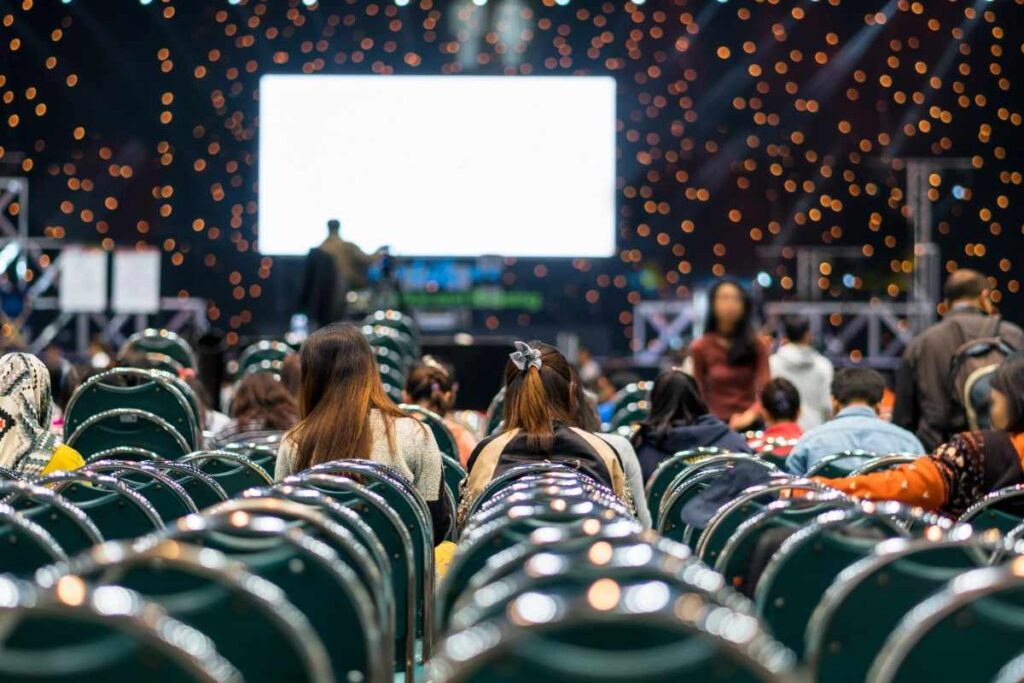
In-person trade shows in 2025 and 2026 remain a prominent part of marketing and sales strategies. Brands, even in the light of digital channels’ expansion, still consider personal interaction as the most effective way of presenting products, gaining trust, and generating leads of the right quality. For a lot of businesses, trade fairs still bear the characteristics of the only place where all at once: talks, exhibitions, and building good rapport are taking place.
Nevertheless, for new exhibitors, trade show management is often a source of stress. There are deadlines, rules, vendors, labor schedules, freight timelines, and strange site requirements. A lot of newbies think that marketing strategy or booth design is the source of the complexity, when, in fact, that’s very seldom the case.
The true source of trade show complexity is execution, how plans are translated into a physical space, within fixed timelines, under strict venue rules. Logistics, labor, and coordination are what make or break a show experience.
This guide is designed to help beginners understand how to manage a trade show. It explains what exhibitors are actually responsible for, how trade shows unfold in phases, and why the right execution support makes everything easier..
Trade show management means different things depending on your role. For exhibitors, it is not about running the entire event. It is about managing everything required to successfully build, operate, and dismantle your booth within the show environment.
Show organizers control the overall event setup. They manage the venue contract, floor layout, official timelines, labor jurisdictions, and exhibitor rules. They also oversee attendee registration and general show operations.
Exhibitors, on the other hand, are responsible for everything that happens inside their booth footprint.
Trade show management for exhibitors is about executing within constraints, not creating them.
Trade show ROI is often measured in leads, meetings, and brand exposure. What many beginners don’t realize is how strongly execution quality influences these outcomes.
A booth that is installed correctly opens on time, aligns with traffic flow, and remains accessible throughout the show. Poor execution can lead to blocked sightlines, awkward layouts, or incomplete setups that immediately reduce visibility.
Attendees respond to what they can see and access easily. Execution determines whether that happens. Nearly 80% of exhibitors say in-person trade shows remain a top lead-generation channel.
In the case of presentations, demonstrations, and product interactions, the major factors are reliable audiovisual equipment, durable constructions, and areas with good acoustics and light. The participation of the audience goes down if the monitors are out of order, the light is poor, or the exhibit is not comfortable.
On the other hand, proper implementation results in non-stop demos, more conversations, and better leads.
Execution issues often create costs that don’t appear in budgets:
These losses directly impact the return on trade show investment.
Every trade show follows a fixed lifecycle. Understanding these phases helps exhibitors prepare realistically.
Trade shows operate on non-negotiable timelines. Early decisions affect later outcomes. Once you arrive on-site, options are limited.
The three execution phases are:
Approved layouts must work within real-world constraints like ceiling heights, column locations, and access points. AV requirements should be finalized early to avoid last-minute changes on-site.
Labor schedules are tied to official move-in windows. Missing a window can mean waiting hours or days. Supervision ensures crews work efficiently and according to plan.
Freight arrival, staging, and drayage must be timed carefully. Late or misrouted shipments are one of the most common beginner mistakes.
All vendors must be aligned before arrival. Insurance certificates, labor orders, and schedules should be approved in advance to prevent onsite delays.
Installation is the most time-sensitive phase of trade show execution.
Venues control access times strictly. Installers often have limited hours to unload, assemble, and prepare booths.
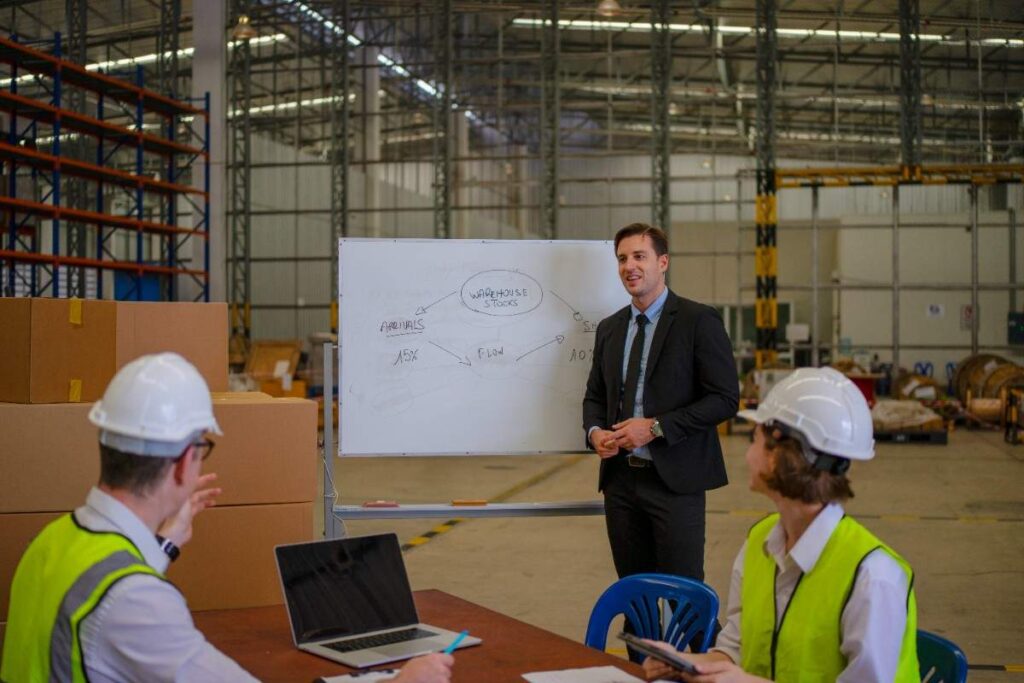
The labor involved in installation and dismantling (I&D) is something that requires specialized skills. The teams of workers that are trained are the ones who know the best the systems of the exhibits, the regulations of the venue, and the safety standards. Supervision of the work ensures that the project does not get delayed and mistakes are not made that will need redoing.
No venue is without its flaws. Unlevel flooring, shifting access, or relocating power drops are just a few of the possible issues. An experienced crew will adapt to the situation right away and will do so in a manner that will not affect the schedule.
Accuracy matters. Signage must be level. AV must be tested. Structures must be secure. These details shape first impressions.
Final walkthroughs ensure the booth is clean, functional, and ready before doors open.
Once the show opens, execution doesn’t stop.
Behind-the-scenes support allows booth staff to focus on attendees instead of troubleshooting.
Dismantling is often underestimated but just as critical as installation.
Move-out schedules are fixed. Labor rules apply. Rushing leads to damage or missed deadlines.
Proper dismantling procedures prevent damage to exhibits, graphics, and AV equipment.
Outbound freight coordination ensures materials reach storage or the next show on time.
Labor quality directly affects speed, safety, and results.
Trained exhibit labor understands modular systems, AV integration, and venue compliance.
Supervisor-led teams work faster, safer, and with fewer mistakes.
Ongoing training programs ensure crews stay current with systems, safety, and show requirements.
The physical environment shapes attendee behavior.
Execution-driven elements include:
When these elements work together, engagement improves naturally.
Modular systems reduce complexity without sacrificing flexibility.
Modularity supports consistency and efficiency.
Typical issues include:
These challenges are avoidable with proper execution support.
Execution partners manage the details that exhibitors don’t need to handle themselves.
Their role is operational, not creative.
Willwork operates as an execution partner focused on delivery.
Support includes:
The focus remains on execution, coordination, and reliability.
Trade show management becomes manageable when execution is prioritized. Beginners don’t need to master every detail, but they do need strong preparation, skilled labor, and disciplined coordination.
When execution is handled correctly, complexity turns into consistency. With the right partner for trade show services, exhibitors can focus on conversations, relationships, and results, while the physical environment works exactly as it should.
Willwork provides the necessary skilled labor, planning assistance, and on-site management that make your tradeshow a hassle-free experience. Our teams are there from setup to teardown, taking care of the details while you concentrate on what’s most important. Team up with Willwork and make things happen with assurance.
Managing labor, logistics, installation, AV, and onsite execution within show rules.
Ideally, several months in advance, especially for labor and freight coordination.
Because trained crews install faster, safer, and with fewer errors.
They coordinate execution, labor, logistics, and on-site delivery.
Strong execution improves visibility, engagement, and lead quality while reducing losses.
Chelsea is the Marketing Director at Willwork, where she transforms strategy into stories that connect. With a sharp eye for detail and a passion for big-picture thinking, she leads brand growth through creative campaigns, powerful messaging, and industry presence. From concept to execution, Chelsea is focused on elevating Willwork’s voice and helping clients see what’s possible.