
Blog Article

How AV Technology Can Elevate Your Trade Show Setup Experience

Summary: To perform effectively and communicate clearly throughout the event, trade show booths rely largely on cutting-edge audiovisual technology for presentation. When done right, audiovisual technology can enable engagement, enhance messaging clarity, and help exhibitors project a refined and professional image in a crowded space. This article will discuss how audiovisual technology can enhance trade show booth functionality through disciplined integration, labor coordination, and successful execution on the trade show floor. Instead of emphasizing creative ideas or event concepts, this article will focus on successful audiovisual execution within the trade show context.

Trade shows create fast-paced environments, which function as high-stakes settings where every second and every detail of the event holds maximum importance. The exhibitors are constrained by their limited exhibit space and their busy schedule, which gives them only a short time to capture the attention of the visitors. Audiovisual technology is a critical operational system that helps your booth operations run smoothly while keeping your presence.

The success of audiovisual systems requires proper installation to achieve screen visibility, audio clarity, and lighting conditions that enable people to see, plus all interactive components to function properly during the complete event period. The implementation of a project fails when its execution results in multiple distractions, causing operational delays and presenting chances for success to be lost. This guide describes how audiovisual technology enhances trade show operations while increasing visitor engagement and minimizing onsite hazards through effective planning, system integration, and operational coordination.

What Is Audio Visual Technology in Trade Shows?

av technology

The term audiovisual technology in trade shows refers to the equipment and systems which display visual content, produce sound, enable lighting, and interactive features inside exhibitor booths and event areas. The aim is to ensure the messages are effective, clear, and consistent while occupying a space of commotion and clutter.

Components of AV Technology

AV technology used in trade show environments typically includes:

  • LED walls, large displays, and projectors for product demos and messaging
  • Sound systems, including microphones, speakers, mixers, and amplifiers
  • Lighting systems such as spotlights, washes, and ambient lighting
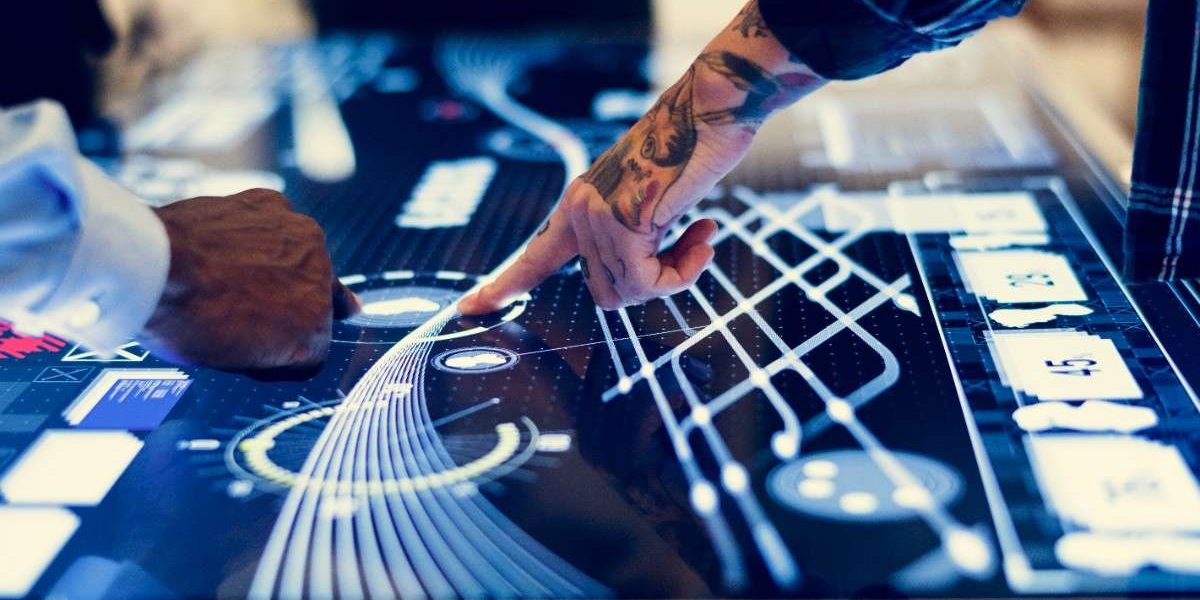
  • Interactive kiosks and touchscreens
  • Immersive media elements such as video playback or spatial displays
  • Video walls and integrated digital signage

These components are selected and installed based on the physical constraints of the booth, venue requirements, and the exhibitor’s goals for visibility and engagement.

Purpose of AV Technology

Within trade show execution, AV technology serves practical functions:

  • Drawing attention in visually dense halls
  • Supporting clear communication of key messages
  • Enabling demonstrations and presentations
  • Allowing content updates without physical reprints
  • Supporting consistent presentation across multiple shows or locations

AV is most effective when it is integrated cleanly into the physical environment rather than treated as a standalone feature.

How Does AV Technology Impact Trade Show Engagement?

AV technology directly affects how attendees notice, approach, and interact with a booth. Engagement is not created by technology alone, but by how well it functions in space.

Visual Engagement

The initial interaction with people is done through visual elements. High-resolution screens allow viewers to view messages from distant locations. The integration of motion graphics and the control of video playback allows viewers to focus their attention on certain messages while still having a continuous viewing experience. Organized installation of screens allows viewers to move around while still having a clean visual environment.

The assessment process involves lighting and other variables. Proper lighting design improves visibility and reduces glare, which improves access to screens and visibility of products.

Auditory Engagement

The trade show floor is characterized by high sound levels. The sound control measures required by the exhibitors must facilitate their communication without any disturbance of sound. The installation of directional speakers will enable the listeners to hear the presentations and demonstrations in their areas. 

The exhibitors make their best impression through the use of audio systems that provide high-quality sound without feedback and distortion, and which sustain listening conditions for the audience.

Interactive Experience

The interactive AV components, such as touch screens and QR displays, give users a chance to interact with the content. The tools work best when they are fully trustworthy, require a basic understanding for use, and allow all users to access them. Unstable systems and poor systems for calibration will cause the users to lose interest in using the system.

While some exhibitors use immersive media elements, these must be carefully integrated to avoid congestion or technical disruptions.

How Does AV Integration Affect Trade Show Setup Planning?

AV requirements influence how booths are installed, powered, and staffed. Integration must account for venue rules, labor schedules, and installation windows.

Power and Electrical Planning

The power planning process for AV systems needs to be done accurately. The equipment needs to be selected correctly because it must operate within the limits of the electrical system. Load analysis can help avoid power failures and equipment damage.

The team works with venue electricians to guarantee that all show requirements are followed. The multi-day events become safer through the use of surge protection and appropriate grounding methods.

Labor Coordination

AV system installation requires personnel with two key skills, which are equipment knowledge and trade show environmental knowledge. The AV staff must coordinate their activities with both installation and teardown teams to avoid conflicts of operation during the equipment loading and teardown process.

The combination of unique supervisory approaches and defined role assignments creates a system that ensures operational effectiveness and timeliness during peak periods.

Space and Layout Considerations

AV location affects booth traffic patterns. Screens and speakers should be positioned for visibility and audibility without obstructing traffic or going beyond height restrictions. Booth zoning helps to separate demo, presentation, and interaction areas.

Booth limitations, such as ceiling height, must be taken into account. Audiovisual integration works best when integrated with booth design.

What Are Common AV Challenges and How to Avoid Them?

AV challenges at trade shows are often operational rather than conceptual. Most issues stem from coordination gaps or insufficient testing.

Technical Failures

Some of the technical risks that may arise include equipment failure, signal loss, power failure, and compatibility between equipment. All these issues can be avoided by using the right equipment and testing it before the event.

Human Error

There is no room for error in live events. Communication breakdown during cue changes, using the wrong media format, and a lack of training can cause problems during presentations.

Environmental Factors

The trade show environment itself poses challenges such as acoustics, lighting, temperature, and noise. By understanding these, the team can adjust for them in terms of placement, volume, and lighting angles.

Preventive Measures

The best way to prevent problems is through rehearsal, redundant equipment in critical systems, clear lines of authority, and technical support. The aim is not to simplify complexity but to achieve it behind the scenes.

How Can AV Technology Differentiate Your Brand?

When AV is executed well, it supports how a brand is perceived on the show floor. Differentiation comes from reliability and clarity rather than spectacle.

Memorable Experiences

Visuals and audio synchronization make presentations seamless. Dynamic displays enable exhibitors to change messages during the event. Interactive features promote engagement if they are intuitive and well-maintained.

Professional Perception

Effective AV implementation demonstrates attention to detail. Well-executed installations, smooth playback, and consistent performance demonstrate operational excellence. Attendees won’t appreciate perfect execution, but they will appreciate the absence of failure.

Data and Measurement Opportunities

Some interactive AV elements can capture engagement data, such as dwell time or content interaction. When used appropriately, this information helps exhibitors evaluate booth performance without disrupting the attendee experience.

For general guidance on AV terminology and standards, resources such as the InfoComm International AV glossary provide neutral industry context.

Conclusion: AV Technology Supports Trade Show Execution

Audiovisual technology and AV technology services are essential tools for trade show execution. They enhance engagement, improve clarity, and ensure booths operate seamlessly in demanding environments. Success depends on disciplined integration, experienced labor, and coordination with installation schedules and venue requirements.

When AV is treated as part of the physical execution process rather than a creative centerpiece, it fosters a calm, professional presence on the show floor. Exhibitors who prioritize reliability and integration benefit from consistent performance, reduced risk, and a confident brand presentation.

Willwork provides exhibitor-side AV technology services and audiovisual execution for trade shows, events, and brand activations. From installation and integration to onsite support and dismantle, our teams ensure AV systems perform reliably within real-world show constraints. Request AV execution support for your next event and keep your focus where it belongs: on the floor, on schedule, and on spec.

Request a proposal today

FAQs

AV technology shall include displays, sound systems, lighting, and interactive equipment employed for the purpose of communication and interaction within a trade show pavilion.

The complete implementation of AV systems boosts event visibility and audio quality, which enables attendees to comprehend event messages and participate in activities without obstacles.

Common challenges include power limitations, equipment compatibility issues, environmental noise, and coordination between crews.

AV considerations should begin early enough to align with booth layout, power needs, and installation schedules, even though execution happens onsite.

Some interactive AV elements can track interactions or dwell time, providing insight into booth performance when used appropriately.

REQUEST FOR PROPOSAL

Ready to bring your vision to life? Let Willwork handle every detail with precision and care. Fill out the form below to submit your RFP, and our dedicated team will connect with you promptly to discuss how we can make your project a success. Let’s create something extraordinary together!