
Blog Article
Summary: The sound and visuals merge through audio-visual integration, lighting, and interactive technology to create dependable and stimulating event experiences. When done right, AV supports communication, brands, and the smooth running of exhibitions. Professional planning, installation, and support transform complicated setups into seamless and high-impact environments.. |
Audio-visual solutions are now the most important aspect of modern exhibitions, corporate events, and brand activations. The use of AV is not only limited to booths and stages but also in the product launch, where the audience is treated to an immersive experience; it is frequently the main thing that draws people to experience a brand in person.
Technology is not the only thing that makes AV successful nowadays. It is integration. After all, the operation of the screens, sound, lighting, and interactive elements has to be seamless; they are all working under very tight schedules and in very difficult venue conditions. When AV integration is done properly, it becomes invisible to the visitors. When it is not, the problems become very apparent, and even the audience can see them.
The purpose of this guide is to describe the elements that make up audio-visual systems, the procedure of integrating AV in live situations, and choosing the most suitable configuration for your event. Execution will be the main focus throughout the presentation, comprising planning, coordination, installation, testing, and on-site support, the situations where results are either gained or lost.
Audio-visual solutions refer to the combined use of sound, visual display, lighting, and control technologies to support communication and engagement in a physical space. In event and exhibition environments, AV solutions are used to inform, attract, demonstrate, and immerse audiences.
At their core, AV solutions serve three main purposes:
AV solutions for exhibitions and live events have to be very reliable in the high-traffic areas, whereas sometimes they are under strict venue regulations for long hours. The main difference between fixed installations and event AV is that the latter is temporary, time-sensitive, and requires great expertise in proper integration and execution.
Successful AV integration starts with understanding the individual components and how they work together on site.
Visual displays are often the most noticeable part of an AV setup. Common display solutions include:
Each option has different power, rigging, and viewing requirements that must be accounted for during planning and installation.
Audio systems ensure messages are heard clearly, even in loud show environments. These systems typically include:
Proper placement and tuning are essential to avoid feedback, distortion, or uneven sound coverage.
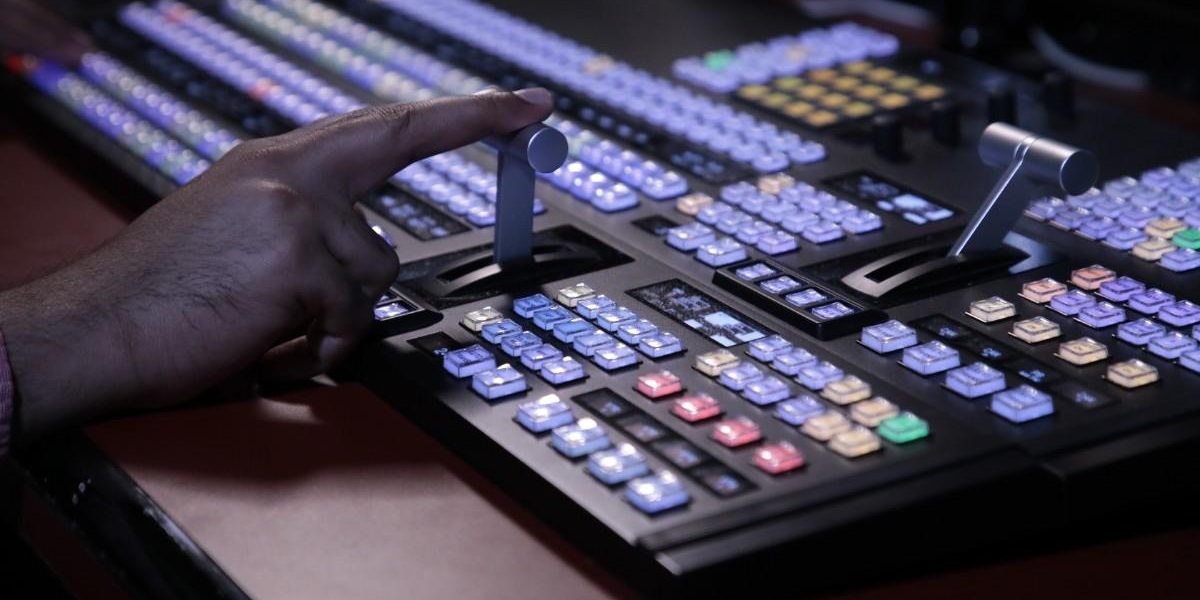
Behind every polished AV experience is a network of control hardware, such as:
Such systems make it possible for various AV components to function together with high reliability and also be dynamically modified on the spot.
Interactive Audio-Visuals encourage the public to interact with the material directly. Some often-used cases are:
These elements increase dwell time but require precise calibration and dependable support.
Lighting ties the entire AV environment together. Integrated lighting can:
When lighting is synchronized with video and sound, it creates a cohesive, immersive experience.
Audio-visual integration ensures that every component works as a single system rather than a collection of disconnected parts. In live environments, this matters because:
Nearly 35% of corporate and educational institutions have already integrated AV technologies, including displays, conferencing, and interactive systems, into daily operations, demonstrating how essential coordinated AV systems have become for modern communication.
Integrated AV mitigates technical risk, increases reliability, and boosts audience interaction. Besides, it enables the staff to control and modify systems smoothly during live events.
Poor integration can still result in the non-fulfillment of the potential of even the best quality equipment, and in total failure instead.
AV integration in exhibitions and events follows a structured, execution-driven process.
Before equipment arrives onsite, teams assess:
This step prevents surprises during installation.
Once requirements are confirmed, the AV system is planned around:
Coordination with venue staff and other vendors is critical at this stage.
During load-in, skilled crews handle:
Systems are then tested thoroughly to ensure performance under show conditions.
During show hours, on-site technicians:
This support ensures consistent performance throughout the event.
After the event, AV systems are:
Efficient breakdown protects assets and keeps venues on schedule.
Selecting the right AV setup starts with aligning technology to purpose.
Key considerations include:
The most difficult AV solutions are not the best ones. Instead, they are the ones that have a problem-free operation in real-world conditions.
AV Rentals offer flexibility without long-term purchase responsibilities, especially for short-term events and exhibitions.
Common rental options include:
Rental solutions allow exhibitors to scale setups across multiple shows while maintaining consistent execution standards.
Live events leave no margin for error. On-site technical support ensures:
Professional AV execution includes not just setup, but continuous oversight.
Several trends are shaping how AV is used in exhibitions:
These trends increase engagement but also demand higher execution standards.
AV integration supports a wide range of environments, including:
In each case, the focus remains on execution, bringing approved plans to life accurately and safely.
Professional AV integration improves ROI by:
Reliable execution protects both budgets and brand reputation.
Willwork operates as an execution-first AV partner, supporting:
With experience across major exhibits and brand activations, Willwork ensures AV systems are installed, tested, and supported to perform under real show conditions.
Audio-visual integration is a key factor in determining how audiences perceive live events. When the systems are properly integrated, they are able to communicate better, engage more, and make the brand more visible. On the other hand, when they are not, the consequences are immediate and expensive.
Partnering with the right company, Willwork, makes AV a dependable instrument, not a gamble. Willwork ensures this dependability by means of meticulous planning, proficient manpower, and technical expertise at the venue that keeps events flowing smoothly from setup to teardown.
These are the combined systems that consist of sound, visuals, lighting, and interactive technology, which are used for live events and exhibitions.
Screens, audio systems, control devices, interactive parts, and lighting that is integrated.
So that the performance is reliable, coordination is seamless, and the audience is engaged.
Base decisions on event goals, venue requirements, audience size, and execution support.
By handling planning, setup, testing, on-site management, and safe teardown for live environments.
Chelsea is the Marketing Director at Willwork, where she transforms strategy into stories that connect. With a sharp eye for detail and a passion for big-picture thinking, she leads brand growth through creative campaigns, powerful messaging, and industry presence. From concept to execution, Chelsea is focused on elevating Willwork’s voice and helping clients see what’s possible.