
Blog Article
Summary: Corporate event setup refers to the phase in which the planning is implemented in practice. This guide provides information on how to execute event setup from beginning to end. It includes information on how to set objectives, prepare the layout for implementation, and execute each aspect of the event in a systematic manner. It also includes information on the role of layout, signage, and workforce in movement, interaction, and performance of the event. The information provided in the discussion is centered on execution, including coordination, timing, and consistency. |
Corporate events carry more weight than they did a few years ago. They are no longer just gatherings. They are used to launch products, build relationships, and drive measurable outcomes.
That shift has raised expectations. Attendees expect a smooth experience. Stakeholders expect results. At the same time, setup windows remain tigPrepare the Layout for Onsite Executionht, and venues operate under strict rules. This is where corporate event setup becomes critical. It is not just about placing equipment in a room. It is about building an environment that works from the moment doors open.
Industry data supports this shift. A growing number of organizations now rely on in-person events as a primary engagement channel, with a large share of marketers reporting strong returns from live experiences.
The challenge is clear. Planning sets expectations, but execution determines whether those expectations are met.
Corporate event setup covers every physical and technical element required to make an event functional. It requires coordination across teams, equipment, and timelines, all within a fixed schedule.
Each component must be installed in the correct order. Delays in one of these areas can have a ripple effect on the entire schedule.
The setup process also includes preparation for real-world conditions. These include venue restrictions, labor restrictions, and any restrictions on the equipment itself.
Attendees experience the event as it unfolds. They do not see the planning process behind it. If the setup is incomplete or inconsistent, the experience suffers immediately.
A well-executed setup creates a sense of control. It allows the event to run without visible disruptions.
A structured approach helps manage complexity and reduces the risk of delays.
Start with a clear understanding of what the event needs to achieve.
This could include:
The objective determines the setup requirements, including layout, AV, and staffing.
Every venue operates differently.
Important factors include:
Understanding these details early prevents issues during installation.
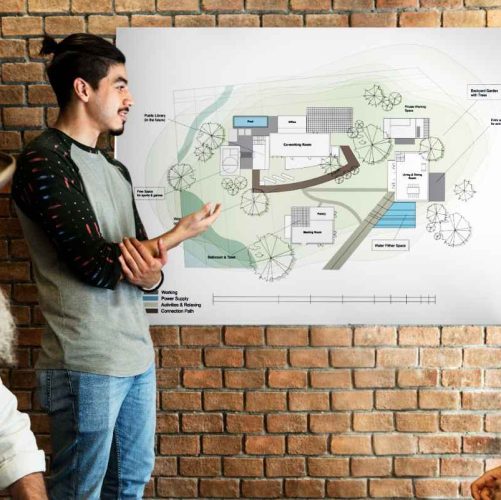
The layout should support real movement and practical use during the event.
Consider:
Entry and exit points
Traffic flow between zones
Placement of key areas, such as the stage and registration
Space for queues and gathering
A well-prepared layout reduces congestion and helps attendees move through the space comfortably.
Corporate events rely on multiple teams working together.
This includes:
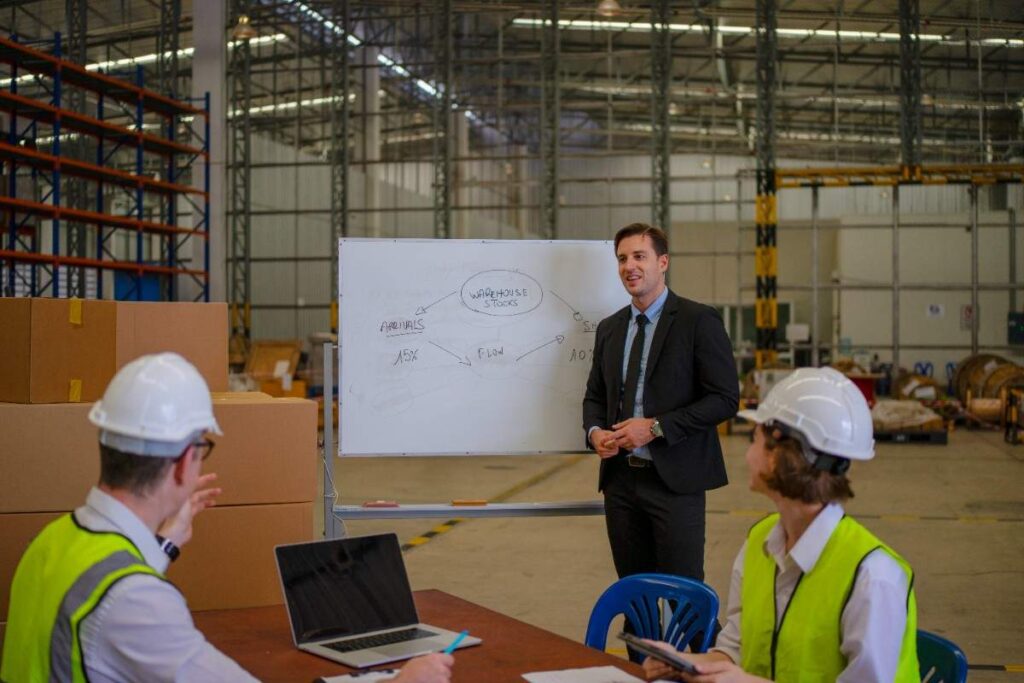
Clear communication is essential. Each team should understand its role, timing, and dependencies before work begins. When responsibilities are defined early and coordination stays consistent, the setup process moves forward without unnecessary delays or overlap.
Time is one of the most limited resources during corporate event installation.
Break the process into stages:
Each stage should have clear deadlines and responsible teams.
Execution depends on the skill of the people onsite.
Experienced crews:
Their ability to maintain progress under pressure is critical to staying on schedule.
Testing ensures that the setup works as intended.
This includes:
Skipping this step increases the risk of issues during the event.
Even after setup is complete, support is required.
Teams must remain available to:
Continuous oversight helps maintain a consistent experience.
Dismantle should be organized and controlled.
A structured approach:
Planning for dismantle is as important as planning for setup.
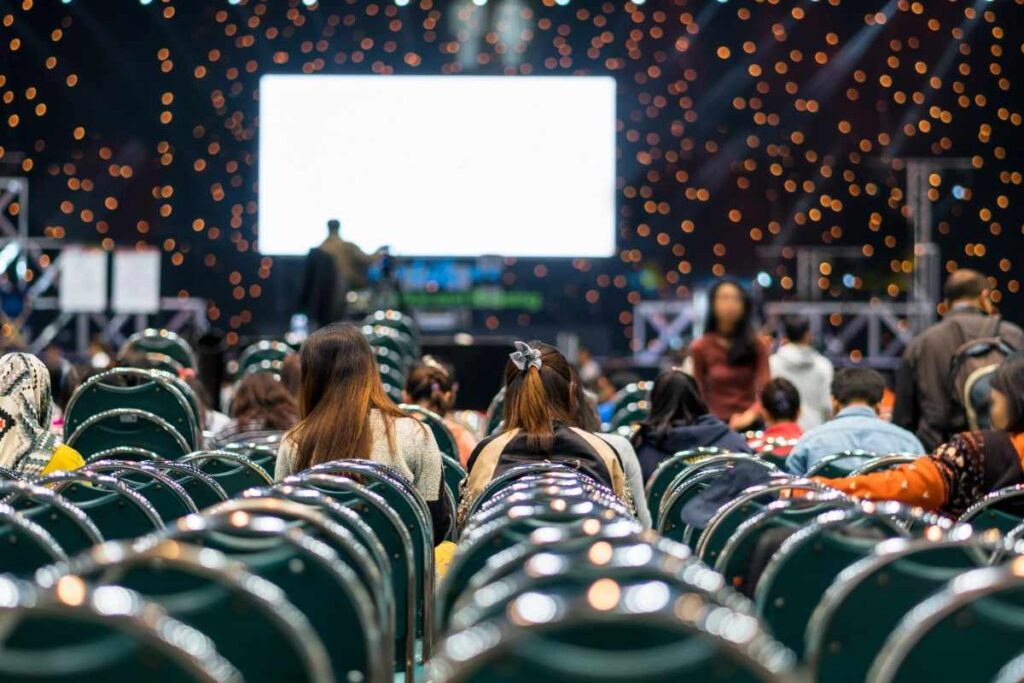
A good layout does more than just arrange space. It can affect the ways in which people move through the space, where they stand, and what they look at. When movement feels natural, people can focus on the experience rather than where they are going.
Signage facilitates this process by assisting individuals without calling attention to itself. When placed at natural decision points such as entrances, primary routes, and intersections, signage enables attendees to move through the space with confidence. At the same time, accessible routes and distinct zones eliminate confusion and prevent congestion.
When layout and signage are executed properly, the space becomes easy to navigate. Attendees spend more time engaging and less time searching.
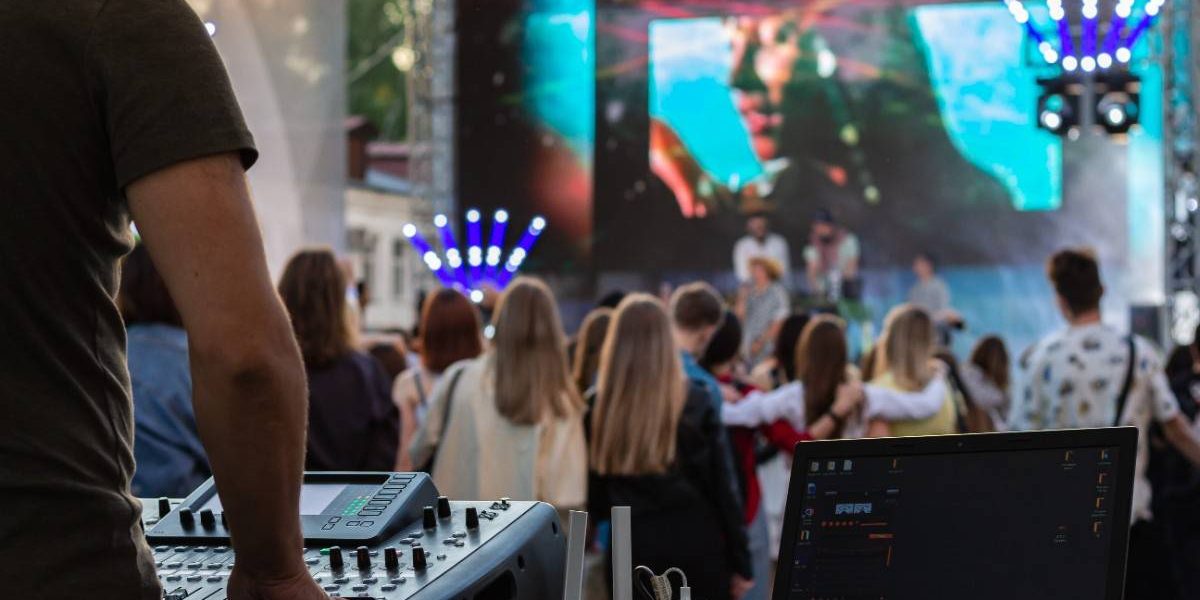
Audiovisual systems carry the message of the event. If they fall short, even strong content can lose impact.
Sound needs to be clear across the entire space, not just near the stage. Lighting should support visibility without becoming distracting. Screens must be positioned so attendees do not have to adjust their position to follow along.
AV also needs to work in harmony with the layout. Poor placement can block sightlines or disrupt movement. When installed correctly, AV blends into the environment and supports the experience without drawing attention to itself.
Execution depends on the people handling the work. Even the most detailed plan relies on crews who can carry it out under real conditions.
Experienced teams move with purpose. They understand how to work within tight schedules, follow venue requirements, and adjust when something changes. That ability to adapt is often what keeps a setup on track.
Consistency also matters. Trained crews deliver the same level of quality across different locations, which is important for companies running multiple events. With staffing challenges affecting many events today, having reliable, well-prepared labor is no longer optional. It is a key part of maintaining standards.
Every event has some level of risk. The aim is not to avoid it entirely but to control it before it influences the outcome.
Many problems arise in areas that can be foreseen. Goods may arrive late, equipment may not function as desired, or team members may not agree on timing. Most of these issues can be linked to inadequate preparation.
Effective communication can help avoid confusion between different teams. Verification of arrangements in advance can help avoid unexpected problems. A little space in the schedule can help make changes without affecting the overall schedule.
A structured approach to setting up can help control risks. Knowing what to expect and when can help avoid interference.
Larger events introduce a different level of complexity. More space, more equipment, and more people all need to be managed at once.
In most cases, this process occurs in stages, where parts of the process are carried out over the course of a few days. It also requires proper coordination to ensure that one process of work does not overlap with another. In this regard, timing is critical, especially where multiple crews are involved in the work.
These events also require more from the AV and layout crews. More people mean more coverage and better visibility. Inefficiencies can easily multiply in this regard.
Strong coordination and steady oversight are essential in these environments. When managed properly, even large-scale setups can run with the same level of control as smaller events.
Corporate events depend on how well plans are executed in real conditions.
Every detail, from layout to AV, must be installed with precision and tested before the event begins. Timing, coordination, and skilled labor all contribute to a smooth experience.
A structured setup process reduces uncertainty and helps ensure that the event environment supports its intended goals.
When execution matters, experience makes the difference.
Willwork supports corporate event setup, corporate event installation, and company event setup with trained crews, structured processes, and consistent onsite delivery. From installation and dismantle to AV integration and signage execution, every step is handled with precision.
Explore how Willwork can support your next event setup. Click here to learn more.
Corporate event setup refers to the setting up of a venue with the necessary staging, audiovisual, signage, and layout elements.
The duration depends on event size and complexity. Smaller setups may take a few hours, while larger events can require one or more days.
The services provided during company event setup include installation and dismantle, audiovisual, signage, and layout.
Layout affects attendee movement, visibility, and engagement, making it a key factor in overall event success.
Plan early, coordinate vendors clearly, use experienced crews, and allow time for testing before the event begins.
Chelsea is the Marketing Director at Willwork, where she transforms strategy into stories that connect. With a sharp eye for detail and a passion for big-picture thinking, she leads brand growth through creative campaigns, powerful messaging, and industry presence. From concept to execution, Chelsea is focused on elevating Willwork’s voice and helping clients see what’s possible.