
Blog Article

The Rise of Interactive AV (Audio-Visual) in Exhibitions

Summary:  Interactive AVs are changing the way exhibitions are viewed by transforming stands and presentations into interactive and lively experiences. Also, by putting up LED walls, using touchscreens, and immersive sound plus hybrid installations, the dependable execution of AV keeps the arrival of audience, participation, and memory of the brand. Proper foresight and proficient carrying out make it possible for the AV tech to work without a hitch at the exhibition.

Take a stroll through any significant trade fair floor today, and you will find one thing right away: exhibitions now are much louder, brighter, and livelier even compared to a few years ago. The companies have stopped telling their stories through still banners or printed panels. They have begun using the combination of sound, motion, light, and interaction to attract the audience.


The United States hosts one of the largest exhibition markets in the world, with over 9,400 trade shows and business exhibitions held annually, making exhibitions a highly competitive environment where brands must work harder than ever to capture attention.


This transformation has made audio-visual (AV) technology take on the role of a core exhibition facilitator rather than just a “nice to have” aspect of exhibitions. Today, AV is the one that dictates the way visitors experience a booth, their stay duration, and their post-departure recollections. Out of all these, interactive AV has raised the bar of expectations to a higher level. The attendee is now a full participant who wants to touch, discover, and connect, rather than simply being a spectator.


The other side of every smooth AV experience is intimate planning and strict execution. When AV is done right, it feels like nothing at all. As soon as it goes wrong, the whole exhibit is affected. This is the main reason why seasoned execution partners like Willwork are of great significance. They make sure that AV audiovisual systems are properly installed, smoothly integrated, and given the necessary support during the event.

What Is Audio Visual (AV)?

Audiovisual, or commonly called AV, denotes the fusion of sound and visual technology employed to convey information and to provide experiences. AV is an essential part of exhibitions and live events, which range from a mere presentation to a fully immersive atmosphere.


At its core, AV includes:

  • Audio systems such as speakers, amplifiers, and microphones
  • Visual displays like LED walls, monitors, and projection screens
  • Lighting elements that enhance visibility and mood
  • Control systems that manage how content is delivered

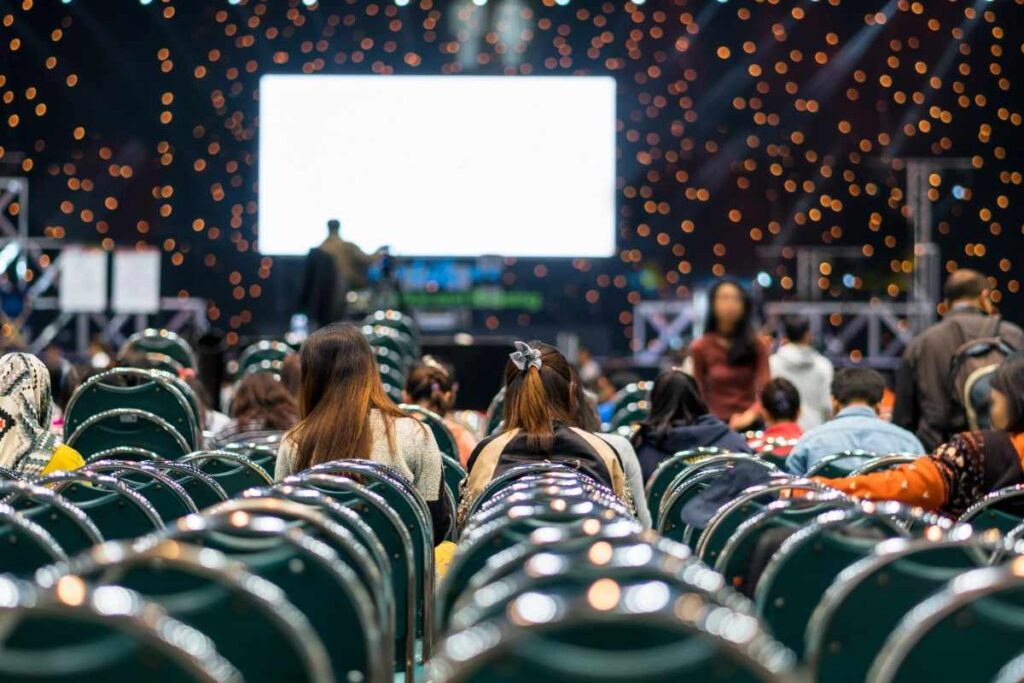
AV is utilized at various exhibition touchpoints, such as keynote speeches, presentations at the booth, sponsorship activations, product launches, and branded spaces. The main aim of AV is not only to create a stunning impression but also to deliver the message clearly and facilitate interaction.

When AV is executed properly, it blends into the experience. Visitors focus on the message, not the mechanics behind it.

What Is an Audio Visual System?

What Is an Audio Visual System​

An audiovisual system is more than individual pieces of equipment. It is a coordinated setup where multiple AV audiovisual components work together as one unified system.


In an exhibition environment, a typical AV system may include:

  • LED walls or large-format displays
  • Projectors and projection surfaces
  • Sound systems and microphones
  • Media players and content servers
  • Interactive kiosks or touchscreens
  • Centralized control and monitoring

The systems are required to function without any failure for a long time, usually in a place that has a lot of people and noise. Exhibitions, as opposed to a conference room or studio, allow very little margin of error. The moment the show starts, there is no way to stop it.


The reliability of the system is very important. A dark screen or missing sound will not only lead to inconvenience but also to the disconnection of the audience, loss of company reputation, and consumption of precious exhibition time.

What Is Interactive AV Technology?

Interactive AV technology allows attendees to actively engage with content rather than passively viewing it. These systems respond to user input and adapt in real time.


Common forms of interactive AV include:

  • Touchscreens for product exploration
  • Motion-based displays that react to movement
  • Augmented reality experiences
  • Interactive LED walls
  • Data-driven content that changes based on user choices

What sets interactive audio-visual apart is audience involvement. Rather than narrating a tale to the spectators, it opens up the entire scene for their participation. The aforementioned method prolongs the time spent by the audience and not only enhances the experience but also makes it more unforgettable.


In exhibitions, interactive AV is often used for:

  • Hands-on product demonstrations
  • Educational walkthroughs
  • Immersive brand storytelling
  • Lead capture and data interaction

When designed and executed well, interactive AV creates meaningful engagement instead of surface-level attention.

How AV Is Used in Exhibitions and Events

How AV Is Used in Exhibitions and Events

Presentations and General Sessions

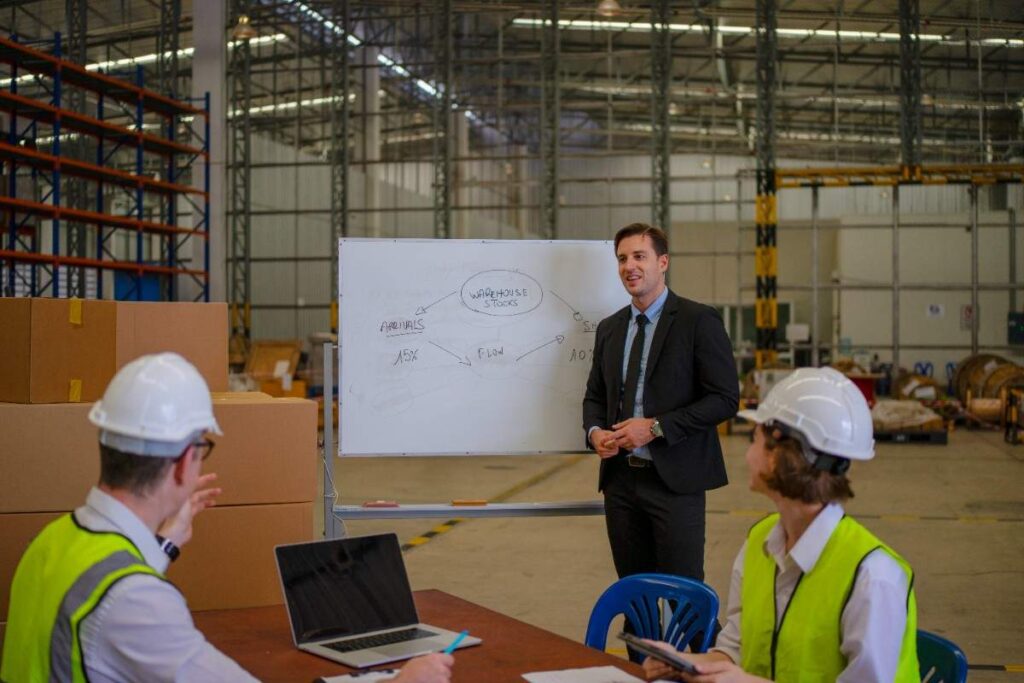
Clear communication is essential in presentations, whether it’s a keynote, panel discussion, or product announcement. AV ensures speakers are heard clearly, and visuals are visible from every angle.


Successful execution depends on:

  • Proper speaker placement and microphone selection
  • Balanced sound coverage across the room
  • Displays positioned for clear sightlines
  • Backup planning for technical reliability

A smooth presentation feels effortless to the audience, but only because the AV execution has been carefully managed.

Brand Displays and Demonstrations

Brand storytelling has become increasingly visual. Large LED walls, synchronized audio, and dynamic content help brands communicate complex ideas quickly.


These displays require coordination between:

  • Structural elements
  • Power and data distribution
  • Content playback systems
  • On-site technical supervision

When everything works together, the booth becomes an environment rather than just a space.

Visitor Engagement Tools

Interactive AV tools are designed to stop traffic and invite exploration. Touchscreens, AR installations, and responsive displays give visitors a reason to stay longer.


Execution matters here more than anywhere else. Interactive systems must be:

  • Calibrated accurately
  • Easy to use
  • Monitored throughout the day
  • Positioned to support booth flow

Poorly executed interactivity frustrates visitors instead of engaging them.

Hybrid and Remote Event Support

Many exhibitions now include live streaming or hybrid components. AV systems support remote audiences through cameras, audio feeds, and streaming integration.


Hybrid execution requires careful planning to ensure:

  • In-person experiences are not disrupted
  • Remote participants receive clear audio and visuals
  • Systems remain stable throughout live broadcasts

How to Choose the Right Audio Visual Setup

Assess Venue and Space Requirements

Every venue is different. Ceiling height, power availability, rigging rules, acoustics, and traffic patterns all affect AV decisions.


Key considerations include:

  • Where sound will travel
  • How lighting impacts screen visibility
  • Where attendees will naturally gather
  • What the venue allows or restricts

Understanding these factors early prevents last-minute changes.

Match Technology to Event Objectives

AV should support the goal of the event, not distract from it.


For example:

  • Product demos benefit from interactive displays
  • Keynotes require strong audio and large visuals
  • Brand activations may need immersive lighting and sound

Choosing technology based on purpose leads to better outcomes.

Integration with Existing Infrastructure

AV needs to collaborate closely with lighting, staging, signage, and booth structures. Proper integration of AV will create a very neat and uniform environment that is free from visual and technical conflicts.

Scalability and Flexibility

Exhibitors often attend several trade shows during the year. It is easier to achieve a uniform look when using AV systems that can scale or are compatible with the different sizes of the booths, and at the same time, the complexity is reduced.

Top AV Audio Visual Trends in 2026

Interactive and Immersive Experiences

The attention of brands is being drawn more towards customer involvement and less towards passive viewing. The use of interactive AV is still the main factor in getting deeper engagement.

High-Definition Displays and LED Walls

LED technology provides higher-brightness visuals, resolution that is razor-sharp, and thus better performance even in big places.

Wireless and Simplified Control Systems

The use of wireless control has been a significant time-saver for installation and has also increased reliability on busy show floors.

Hybrid Event Capabilities

AV systems are increasingly designed to support both in-person and remote audiences without compromise. Hybrid event elements (combining physical and virtual participation) are expected to become standard by 2025 for 45% of organizers, driven by digital interactivity demand.

Advanced Sound Systems

Directional and spatial audio help cut through noise and create focused listening zones.

Willwork’s Role in AV Execution at Exhibitions

Willwork approaches AV from an execution standpoint. The focus is not just on equipment, but on how everything comes together onsite.


Services include:

  • LED displays and video walls
  • Interactive media and AR installations
  • Lighting and themed environments
  • On-site AV supervision and support

From planning and coordination to installation and dismantling, Willwork manages the full AV lifecycle. The team ensures systems are compliant with venue rules, integrated with booth designs, and fully functional before doors open.

Best Practices for AV Setup

Pre-Event Planning and Coordination

Strong AV execution starts early. Site surveys, power planning, and coordination with show management reduce risk.

Testing and Quality Assurance

Dry runs and system checks help catch issues before the show opens.

On-Site Technical Support

Live events require real-time problem-solving. On-site support ensures quick resolution without disruption.

Safe Dismantle and Turnover

Proper teardown protects equipment and prepares assets for future use.

Conclusion

Interactive AV has transformed the way exhibitions are perceived. It plays a role in brand communication, visitors’ involvement, and message recall. Nevertheless, the technological developments do not change the fact that the secret recipe to success still consists of preparation, coordination, and execution.


Willwork makes sure that AV systems are implemented reliably and efficiently, thus, the immersive experiences are supported, and the operations are smooth and compliant at the same time. If the AV execution is perfect, the complexity just remains there, and the engagement becomes the main focus.

FAQs

Interactive AV technology allows the visitors of the exhibition to participate actively by using tools like touch screens, motion sensors, and augmented reality instead of merely seeing the content.

An audio-visual system connects and synchronizes all of the audio and visual components, microphones, loudspeakers, projectors, monitors, and so on, so that they all work together without any flaws under the stress of a live event.

A bad AV setup will disturb presentations, lessen interaction, and damage the reputation of the brand. Good execution will give the presentations a smooth run and give the attendees a consistent experience.

Main trends are interactive experiences, high-resolution LED walls, wireless control systems, hybrid event support, and advanced spatial audio.

Willwork takes care of the entire process from AV installation and integration to oversight and dismantling, which means that they take care of all the technical aspects of the equipment being reliable according to the venue regulations and the show timing.

REQUEST FOR PROPOSAL

Ready to bring your vision to life? Let Willwork handle every detail with precision and care. Fill out the form below to submit your RFP, and our dedicated team will connect with you promptly to discuss how we can make your project a success. Let’s create something extraordinary together!