
Blog Article

Indoor vs Outdoor Event Setup: Key Differences You Should Know

Summary: Both indoor and outdoor events need different strategies for setup, labor planning, and risk management. Indoor spaces impose compliance, timetables, and building restrictions that determine the movement of crews, the location of AV systems, and the work order. Outdoor facilities expose teams to weather, surface issues, and provisional infrastructure requirements. Knowing these differences helps teams avoid delays, adjust labor scopes, and deliver environments that perform. Willwork’s nationwide event setup services provide discipline, coordination, and execution know-how so planners can open on time, every time, with consistent quality.

Every event setup starts with a decision that shapes everything else: indoor or outdoor.

Indoor venues provide complete control while creating predictable conditions. Outdoor spaces provide large-scale visual benefits, which require special weather, power, and ground conditions that demand careful planning. The different characteristics of these two types of locations are necessary to create realistic estimates of the time required to complete tasks, staff requirements, equipment needs, and safety procedures.

Understanding how these environments differ is essential for creating event timelines, staffing requirements, and equipment needs with safety protocols. The blog explains how indoor and outdoor event setups differ in their operational aspects while showing how the right planning partner works to ensure events run smoothly from setup through to breakdown.

What Defines an Indoor Event Setup?

Indoor event setups take place in venues that have permanent infrastructure systems designed for multiple events. They demand sequencing, compliance, and oversight from venue management, union rules, and inspection teams.

Common Indoor Event Environments

  • Convention Centers — Large space with scheduled dock times and strict load-in windows.
  • Exhibition Halls — Wide open layouts with tied rigging and mounted support points at fixed ceiling heights.
  • Ballrooms and Arenas — Finished environments with finish rules, load limits, and acoustics that influence load-in and AV placement.

Willwork crews plan around floor plans and venue manuals to avoid build disruptions; delays in indoor events are often tied to missed move-in windows or unapproved structural changes.

Structural and Space Constraints

  • Fixed ceilings and walls limit where and how trussing, projection, or hanging signage can be mounted.
  • Load limits and height restrictions mean staging elements must be engineered within venue tolerances.
  • Predefined floor plans enforce fire lanes and egress paths that never change.

Rules, Regulations, and Oversight

  • Venue operating rules set deadlines, noise caps, and material restrictions.
  • Union jurisdictions determine who installs rigging or power drops.
  • Inspection requirements must be met before audience access, making sequencing critical to avoid delays.

What Defines an Outdoor Event Setup?

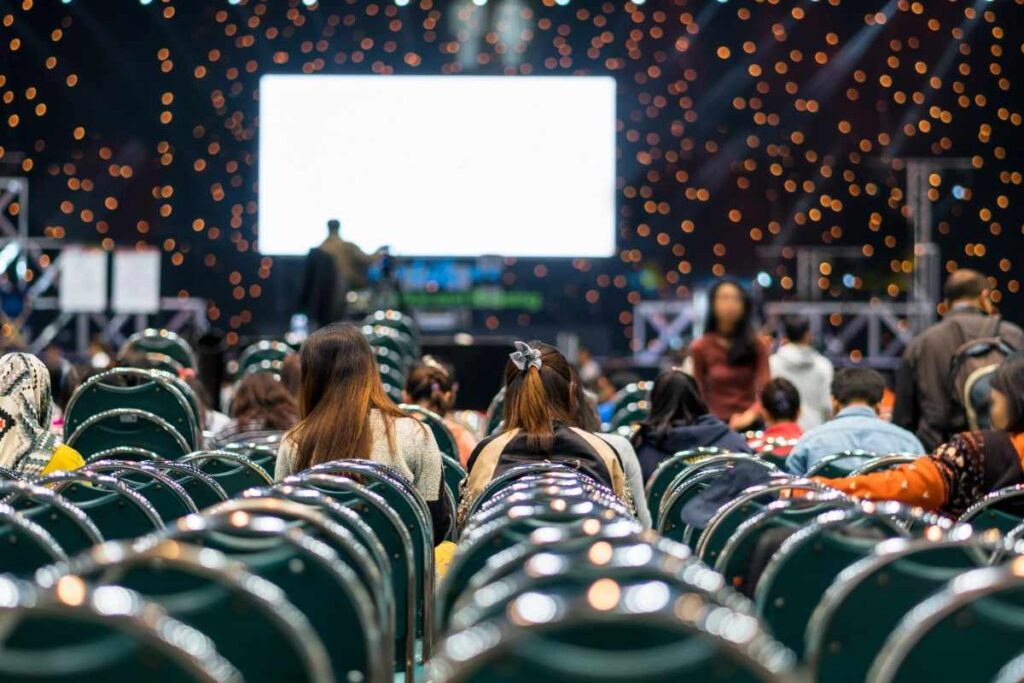
outdoor event

Outdoor setups use temporary infrastructure and open environments that demand contingency planning and flexible scheduling. Risks tied to weather, terrain, and surface conditions affect equipment choices, crew size, and sequencing.

Common Outdoor Event Environments

  • Parking lots and open grounds require surface protection, slope planning, and drainage solutions.
  • Temporary retail and pop-ups demand efficient footprint builds that stand up to crowd flow and exposure.
  • Festival and sponsorship zones host multiple structures with shared power and circulation requirements.

Environmental Variables

  • Weather exposure — Rain, wind, or dust can interrupt labor plans, often delaying builds by more than 30 percent of the scheduled time.
  • Uneven terrain complicates flooring, anchoring, and surface protection.
  • Wind, heat, and moisture considerations mean engineered tent systems and structure ties are non-negotiable.

Temporary Infrastructure Needs

  • Tents and temporary structures provide shelter and brand framing but require anchoring systems suited to soil or asphalt.
  • Portable power and lighting must be sized, grounded, and tested.
  • Surface protection and flooring protect site conditions and improve safety.

Modular systems such as beMatrix outdoor solutions enable engineered builds that stand up to those elements, supporting flexible outdoor executions without sacrificing strength.

Using beMatrix Outdoor Support for Flexible Event Structures

  • Modular frame systems support fast, adaptable builds for outdoor events without the cost or lead time of fully fabricated structures.
  • Reusable lightweight frames create support structures that can hold various equipment items, including lighting gear, trusses, counters, doors, arches, and LED displays, while achieving professional-grade stability.
  • Flat, angled, and curved configurations provide flexibility for branded environments, temporary pavilions, and large-scale activations.
  • Outdoor installations typically use protective coverings, including tents and domes, to protect their finishes, equipment, and technology from weather conditions.
  • Reduced installation complexity lowers required crew size and shortens setup and teardown timelines.
  • Faster builds and simpler handling improve onsite safety during both installation and breakdown.
  • Reusable components can be reconfigured across multiple events, helping control long-term costs and support more sustainable event production.

How Does the Event Setup Plan Change Indoors vs Outdoors?

The environment determines how early planning begins, how rigid schedules become, and how much flexibility teams need once the build starts.

Timeline and Scheduling Differences

  • Fixed move-in windows indoors mean crews operate on strict schedules. Missing a slot often cascades into cost overruns and rescheduled labor.
  • Flexible but weather-dependent outdoor schedules must account for forecast buffers, often requiring early setup starts or late-day trailers.

Labor Planning and Crew Size

  • Union labor coordination indoors requires certified hands and sequencing to comply with local mandates.
  • Larger crews and longer builds outdoors handle tents, temporary power, surface leveling, covering, and wind protection.

Risk and Contingency Planning

  • Inspection delays indoors often relate to electrical or rigging sign-offs.
  • Weather and ground condition risks outdoors necessitate backups, overlays, and real-time modifications to the setup plan.
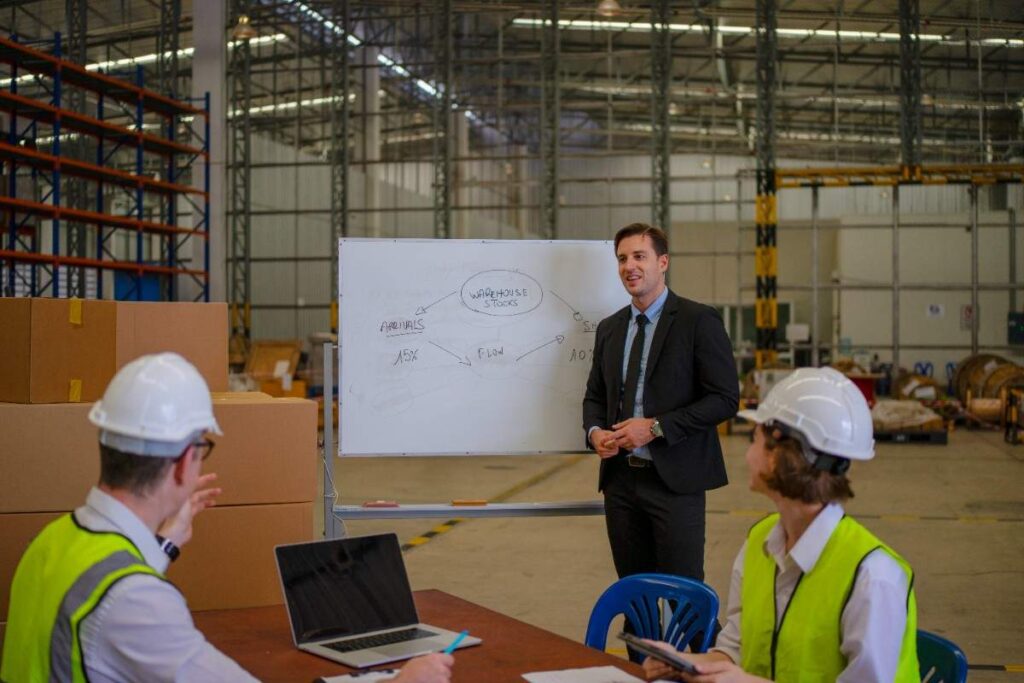
business presentation

What Are the Key AV Setup Differences?

The environment determines how early planning begins, how rigid schedules become, and how much flexibility teams need once the build starts.

Indoor AV Setup Considerations

  • Power availability and load limits link to house panels that must be balanced and pre-approved.
  • Hanging points and mounting restrictions dictate speaker and lighting positions.
  • Sound control and lighting focus leverage predictable acoustics.

Willwork’s AV specialists design environments with lighting, sound, LED walls, and projection systems to deliver seamless presentations that are tested for performance before doors open.

Outdoor AV Setup Considerations

  • Weatherproof equipment protects critical gear from wind, rain, and dust.
  • Temporary power distribution relies on generators with redundancy plans.
  • Sound dispersion and visibility challenges require placement that accounts for open fields and audience spread.

How Does Power and Electrical Planning Differ?

Power planning is one of the most critical technical distinctions between indoor and outdoor event environments.

Indoor Power Planning

  • House power access must be scheduled and circuits balanced.
  • Electrical inspections are mandatory prior to activation.
  • Load balancing must prevent system overloads that can shut down audio or lighting.

Outdoor Power Planning

  • Generators and temporary panels need sizing for peak demands.
  • Fuel planning calculates refills for multi-day events.
  • Redundancy for critical systems ensures no audience disruption during show hours.

What Should an Event Setup Checklist Include for Each Environment?

Checklists prevent oversights by aligning operational details with environmental realities.

Indoor Event Setup Checklist Essentials

  • Dock access confirmed
  • Labor calls approved
  • Power and AV inspections scheduled
  • ADA and safety compliance verified

Outdoor Event Setup Checklist Essentials

  • Ground conditions reviewed
  • Weather contingency plans set
  • Temporary structures approved
  • Power and lighting tested early

A recent event-planning study found that teams with structured checklists were significantly more likely to complete tasks on schedule and meet event goals, showing the practical value of checklist-driven execution.

When Should You Choose Indoor vs Outdoor Event Setup?

Checklists prevent oversights by aligning operational details with environmental realities.

Indoor Events Are Best When

  • Tight schedules matter
  • Controlled environments are essential
  • High AV precision is needed

Outdoor Events Are Best When

  • Space and visibility matter
  • Brand impact outweighs weather risk
  • Temporary retail or sponsorship is the goal

Built Right. Run Smoothly. Remembered for the Right Reasons.

Corporate events succeed when the execution disappears, and the experience takes center stage. From the first load-in to the final breakdown, every detail matters. That is where Willwork comes in.

With more than 30 years of hands-on production experience, a nationwide labor network, and deep technical expertise, Willwork delivers corporate events that are built to perform. We do not just install equipment or manage crews. We partner with your team to ensure everything works together on time, on brand, and without friction.

Whether you are producing a leadership meeting, a national conference, or a high-visibility brand moment, Willwork provides the structure, talent, and accountability needed to bring it all to life with confidence.

Talk with Willwork about your upcoming project and see how a single, trusted production partner can simplify planning and elevate execution.

FAQs

Indoor venues require strict rules, fixed schedules, and must follow union regulations, whereas outdoor venues need additional weather protection, surface safety, and temporary building requirements.

The majority of outdoor events require 20 to 30 percent additional labor hours to set up and maintain tents, temporary power, flooring systems, and to complete environmental mitigation work.

You must establish core decisions three months before your event to guarantee labor and approvals, power access, and AV resources, which will protect you from unexpected problems.

The most common challenges require tested equipment and contingency planning to handle weather exposure, power reliability, and sound dispersion challenges.

No. Although the steps sometimes overlap, the environment has different needs that should be planned individually to avoid delays and compliance issues.

REQUEST FOR PROPOSAL

Ready to bring your vision to life? Let Willwork handle every detail with precision and care. Fill out the form below to submit your RFP, and our dedicated team will connect with you promptly to discuss how we can make your project a success. Let’s create something extraordinary together!