
Blog Article

The Ultimate Trade Show Planning Checklist for First-Time Exhibitors

Summary: First-time trade show planning is overwhelming since a lot is happening, and most of it is happening in a condensed time frame. This checklist is meant to bring order to the process. This checklist will be limited to what is relevant to what will be happening on the trade show floor. What we hope to accomplish is to arrive prepared, looking clean, and build a booth conducive to conversation.

New exhibitors often think the challenge is showing up. The challenge is showing up ready. 

Trade shows are a rare opportunity for buyers and sellers to connect in person. Every year, approximately 80% of attendees have the authority to make purchasing decisions. Many of these individuals are actively seeking new solutions. Every interaction counts.

However, the reality is that people spend a limited amount of time in the exhibition space. The visitors decide in a matter of seconds. Without a clear and organized space, there is a risk of missed opportunities prior to the first opportunity to start. This checklist is designed to keep you prepared, focused, and confident, ensuring not only that you are seen but also seen to be effective.

Why Does Structured Planning Matter for First-Time Exhibitors?

Planning a trade show often feels manageable at the start. Then timelines tighten, dependencies overlap, and simple tasks begin to compete with each other.

Without structure, work gets pushed to the last minute. Graphics arrive late. Installation windows feel rushed. Small issues that could have been handled early start showing up onsite, where there is little room to fix them.

A structure helps keep things organized. It establishes an order. What is to be decided first, what can be put off, and what has to be fixed before the show. It eliminates unnecessary back-and-forth. It keeps the focus where it should be. Not on controlling chaos, but on creating an environment that is clear, functional, and ready when the doors open.

Ultimately, the purpose of structured planning is not to add another process. It is to ensure that the critical ones are addressed before they become issues.

What are Common Mistakes First-Time Exhibitors Should Avoid?

2 guys stressed

Even with a checklist in place, a few common mistakes can affect how the booth performs on the floor.

Overloading the Space With Information

Too much information can overwhelm the space. The audience does not stop to read a message. Simple, direct communication is more effective.

Ignoring Movement and Flow

A booth may look good on paper, but may not work well in reality. For instance, if there is a blockage in entry points or there is restricted movement, people may be reluctant to enter the booth.

Delaying Key Decisions

Waiting too long to finalize graphics, AV, or logistics creates pressure during the final weeks. This often leads to rushed execution and avoidable errors.

Treating Setup as a Secondary Step

The outcome of a booth project is more a result of execution than the planning process, which is given more importance. The process of installation and meeting the timing requirements is necessary, as without this process, even good planning will not work.

Lack of Onsite Ownership

The decisions required will be subject to delays in case there is no person in charge at the site. The setup process for the booth will experience unnecessary delays.

Avoiding these mistakes keeps the process steady and ensures the booth performs the way it was intended when the show begins.

The Complete Trade Show Planning Checklist

The checklist is divided into stages to ensure that you complete all the necessary tasks. The system enables you to create an extensive schedule, which will help you oversee your exhibition planning and booth construction activities.

Pre-Show Checklist (3–6 Months Before Event)

This phase sets the foundation. Most issues that appear onsite begin here.

Planning should begin at least 3–6 months before the event to avoid delays and missed deadlines.

Strategy & Planning

  • Define your primary goal (leads, meetings, demos)
  • Align event goals with business objectives
  • Identify your target audience and their needs
  • Decide how success will be measured

Budget & Timeline

  • Build a working budget covering logistics, graphics, AV, and travel
  • Define responsibilities among your internal team members
  • Develop a timeline including deadlines
  • Arrange a pre-show alignment meeting

Booth Space & Experience

  • Plan layout with movement and visibility in mind
  • Identify key engagement areas such as demos or conversations
  • Keep the space open and easy to enter

Graphics & Messaging

  • Finalize clear, short messaging for quick understanding
  • Confirm graphic production timelines
  • Prepare files for print and installation

Logistics & Shipping

  • Confirm inbound shipping and delivery timelines
  • Select a shipping provider experienced with trade shows
  • Track all shipments with documentation
  • Review exhibitor manual for rules and deadlines

Reviewing the exhibitor manual early helps avoid compliance issues and missed service deadlines. 

Final Pre-Show Checks (1–2 Weeks Before)

This is where planning shifts into readiness.

Readiness Checklist

  • Confirm all materials have been shipped
  • Verify installation schedules and access times
  • Prepare all AV content and test files
  • Brief booth staff on goals and messaging
  • Assign a single onsite point of contact

A short internal walkthrough at this stage prevents confusion later.

During the Show (Onsite Execution Checklist)

This phase is about control. Once the show opens, adjustments are limited.

Before Show Opens

  • Check that all materials have arrived at the booth
  • Confirm graphics and signage are installed correctly
  • Test all AV, lighting, and interactive elements
  • Verify layout is clear and accessible

Testing all equipment before opening to avoid disruptions during the show. 

During Show Hours

  • Maintain booth cleanliness and organization
  • Ensure booth messaging is clear and not obstructed
  • Observe booth visitor flow
  • Tweak minor booth elements if necessary

Daily Wrap-Up

  • Secure important materials and equipment
  • Collect leads and notes from the day
  • Review any issues with the team

Post-Show Checklist (Teardown & Follow-Up)

This phase is often rushed, but it directly affects future results.

Teardown & Packing

  • Label all materials and containers clearly
  • Supervise dismantle to avoid damage
  • Confirm outbound shipping and documentation

Lead Management

  • Organize all leads and contacts collected
  • Prepare follow-up communication

Preparing follow-up emails before the show ends to maintain momentum. 

Review & Improvement

  • Evaluate performance against initial goals
  • Gather feedback from booth staff
  • Identify improvements for the next event

Post-show evaluation is critical to improving ROI and future event performance.

a man and a girl talking

How Does This Come Together on the Show Floor?

A checklist only proves its value when the floor opens.

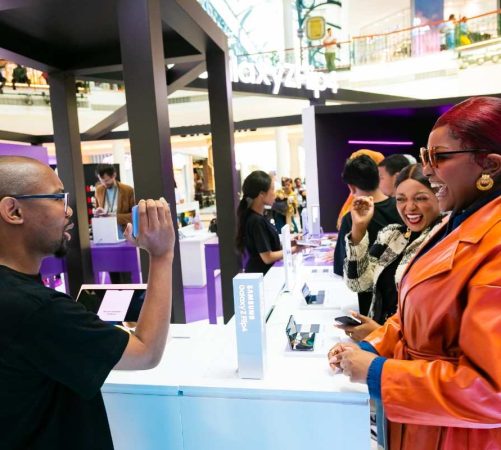
If everything is set in place, you would immediately notice the difference. The graphics are readable. The AV support does not take away from the event. The space is open and easy to navigate. There are no delays as people attempt to get a sense of things. They walk in, get the message, and participate without a problem. That is what a good event setup looks like. It looks effortless, not forced.

To see how these elements come together in a real environment, visit.

For easier reference during planning, download the checklist and keep it on hand throughout each stage of your event.

Conclusion: Planning Only Works When the Floor Setup Holds Up

The process of planning a trade show is not about getting everything perfect. It is about ensuring that the essential things are done correctly.

The visitors are quick in their decisions and swift in their movements. A trade show that is clean, well-organized, and ready to go from the very beginning is definitely at an advantage.

This is dependent on execution, however. Every detail, from installation and signage to audio visual and on-site coordination, must work seamlessly together without any issues. When it all comes together correctly, it looks natural, easy to get around in, and prepared for actual engagement.

If you are looking to ensure that your next trade show is not only a success, but also not filled with fixes and repairs, it all starts with preparation and the team that takes it there.

Get a proposal from Willwork today and ensure that your trade show is set up with precision, consistency, and complete onsite support.

FAQs

The first step in trade show planning is to set a goal. This will include what is of most importance, whether it is the generation of leads, meetings, or even demonstrations. This will act as a guideline for all the decisions to be made in the future.

Planning should begin several months in advance. This period provides sufficient time to prepare materials and create consistent messaging while preventing last-minute problems that would harm setup quality.

The public can better interact with a booth when its design includes open spaces and visible organization, and straightforward navigation. The space should allow visitors to enter at any time and understand its contents within moments.

The booth’s performance in actual environments depends on its installation process. The planning process fails when graphic elements become misaligned, audiovisual components lack proper synchronization, and the setup remains unfinished.

Focus on clarity and preparation. The team must deliver clear messages while designing the area for movement, and they need to complete all preparations before the show starts. The process creates better results because it creates better user experiences, which result in higher user participation.

REQUEST FOR PROPOSAL

Ready to bring your vision to life? Let Willwork handle every detail with precision and care. Fill out the form below to submit your RFP, and our dedicated team will connect with you promptly to discuss how we can make your project a success. Let’s create something extraordinary together!