

Blog Article
Summary: A trade show planner is an essential element in transforming preparation into an actual working booth. This blog discusses how planning models can assist in ensuring coordination among teams, avoiding problems during the event, and ensuring everything is in working condition before the event starts. There is an emphasis on what it takes to run a steady trade show. |
Trade shows bring together multiple moving parts within a fixed timeline. Planning, logistics, installation, and coordination all need to align before the doors open.
This is where trade show planners shine. They organize what could quickly become chaos. Rather than chasing progress or fixing gaps on site, they ensure all elements remain connected from the beginning. This way, nothing significant is left unresolved.
For first-time exhibitors, the gaps show up quickly. Without clear direction, even basic tasks start to overlap. Key elements get finalized late, setup windows feel rushed, and teams end up reacting instead of moving forward with a plan.
Planning is what changes this flow. It establishes a clear flow, prioritizes all elements, and not only makes sure the booth is built but also makes sure it’s ready to go the minute people pass by.
Trade show planners help impose order on a process that might otherwise be disorganized and fragmented. Their work is not simply about timelines. It is also about coordination, decision-making, and making sure that everything is in place and ready to go before the event.
Without this level of coordination, tasks tend to overlap, and small gaps turn into larger problems onsite.
Planning is where most onsite issues are either prevented or created. A structured approach reduces uncertainty and allows teams to focus on execution instead of troubleshooting.
Delays and lack of coordination are among the most common challenges exhibitors face, which highlights the importance of structured planning.
Coordination is what prevents a trade show setup from slowing down under pressure.
Multiple teams are working on different parts of the setup. Without alignment, it can take longer than expected to complete certain tasks. Small delays can add up and start impacting the schedule, especially if time is of the essence.
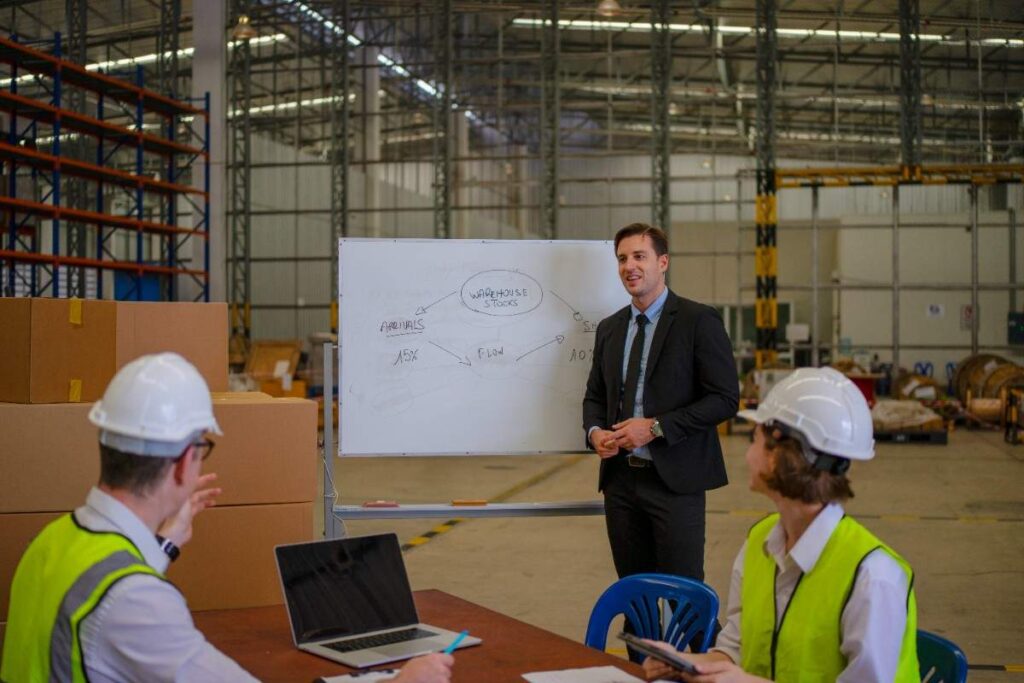
Trade show planners create a single point of oversight, which prevents decision-making from spreading across different areas. The system maintains organized communication patterns because multiple discussions cannot take place at the same time. It enables better progress tracking, faster problem resolution, and uninterrupted setup work through its efficient operational methods.
Execution, however, depends on how well the internal teams and external partners are working together. Trade show planners ensure that everyone works from the same plan, and everyone knows what’s expected of them. Marketing, logistics, and operations are all aligned, and vendors and installation teams are directed so that they can get the job done efficiently and effectively, without any second-guessing.
When people understand their work responsibilities, they will maintain a structured organization of work activities. The planning team for the trade shows sets its responsibilities at the onset and develops visible timelines that all the members are expected to adhere to. The process uses check-ins to track team progress, which helps maintain accountability until project completion.
When coordination is handled properly, the setup feels steady and controlled. Teams focus on getting the work done, not figuring out what needs to happen next.
Planning gaps tend to become apparent in the setup process, which is usually a time of limited opportunity to correct them.
When there is a lack of preparation, the effects are felt instantly. Time is spent on reacting instead of executing, and the setup process begins to fall behind.
Without a plan in place, some of the initial issues that may surface include:
These challenges directly affect how the space performs once the show opens. Visibility drops when key elements are not placed correctly. Messaging becomes harder to understand. Visitors are less likely to step in or stay engaged. Opportunities that depend on quick, clear interaction are often missed.
Trade shows run on fixed schedules, and once setup begins, there is very little room to recover. That is why planning plays such a critical role. It prevents these issues from reaching the floor in the first place.
Planning shapes how the space feels the moment someone walks up to it. When a booth is prepared properly, it is easy to read, easy to enter, and easy to move through. People understand what is happening without having to stop and figure it out.
A well-prepared booth always looks ready from the beginning. The key information is placed in a location where it is easily visible without any effort. Within a few seconds, visitors get an idea of what the booth is all about and whether it is worth entering.
The arrangement also has a subtle but important role to play. If it is done well, people can move in without hesitation and move around without bumping into confusion. The demo and conversation areas are easy to spot, and this facilitates interactions.
Every element within the booth should look as if it “goes” together. The graphics, displays, and layout all point in the same direction, so the message does not get muddled. This type of consistency helps the space “make sense” at a quick glance.
When all of this comes together, visitors do not waste time trying to understand the space. They step in, follow the flow, and engage without friction.
Time is one of the most important constraints in trade shows. Planning ensures that each stage is completed before it becomes urgent, which helps avoid last-minute pressure during setup.
Trade show planners divide the work into defined phases so nothing overlaps unnecessarily. The process requires multiple steps that start with initial planning and end with post-show evaluation. It also includes different stages that serve specific functions to assist with progress tracking during the project execution.
Clear timelines keep the entire team aligned. Everyone knows what needs to be done and by when. This reduces confusion and keeps work from slipping off schedule. Progress is tracked at each stage, which helps identify delays early and address them before they affect the setup.
Trade show setup times are short, and hence preparations should be made in advance. Planners of trade shows confirm the setup times in advance and ensure that preparations are made in advance to ensure that work is done without delays and completed in the stipulated time.
According to insights from Cvent, early planning and timeline management are key factors in successful trade show execution.
Planning only proves its value when the booth is up and the show begins.
When timelines are followed and teams stay in sync, the setup feels ready from the start. Graphics are in place, AV runs without issues, and nothing feels rushed or unfinished. The space comes together the way it was intended.
Visitors do not have to stop and make sense of it. They can understand what the booth is about as they walk by and decide in a moment whether to step in. Once inside, movement feels natural, and conversations begin without effort.
This is what structured planning leads to. Not just a completed setup, but a space that works the way it should when it matters most. Every element supports the next, so the booth feels clear, steady, and ready when the floor opens.
Trade show planners bring structure to a process that can easily become unpredictable. Their role is not just to organize tasks. It is to ensure that every detail is handled before it becomes a problem onsite.
Visitors move quickly. They make decisions within seconds. A space that is clear, organized, and ready from the start creates a strong first impression.
That outcome depends on execution.
From installation to signage, and then audio-visual and coordination, everything has to be integrated properly without any loose ends. And when that happens, the whole environment looks so natural and effortless to be involved in.
If you want your next trade show to happen without any delays or fixes, it starts with planning and how well it is executed.
Request a proposal with Willwork and ensure your trade show setup is delivered with precision, consistency, and complete onsite support.
Trade show planners are the ones who manage the whole process, and they do this by coordinating with different teams to ensure that everything is in place before the show starts. Their main responsibility is to keep the workflow organized so that each process is done in the correct order.
The trade show planners bring value because they eliminate confusion and stop delays while maintaining proper setup connections. The trade show presence becomes smoother and more effective through their work.
The planning process should be initiated three months before the planned event. The planning process requires this period because it helps the planning team complete the tasks and then address unexpected issues that might occur.
They ensure that timelines are followed, materials arrive on time, and installation is completed correctly. This leads to a setup that works as intended.
Yes. They provide structure and guidance, helping first-time exhibitors avoid common mistakes and prepare effectively for the event.
Chelsea is the Marketing Director at Willwork, where she transforms strategy into stories that connect. With a sharp eye for detail and a passion for big-picture thinking, she leads brand growth through creative campaigns, powerful messaging, and industry presence. From concept to execution, Chelsea is focused on elevating Willwork’s voice and helping clients see what’s possible.