Blog Article

7 Common Trade Show Rental Misconceptions Busted

Summary:  Trade show rentals are typically misinterpreted. Misunderstanding of branding restrictions to ROI myths, these misconceptions may cause the exhibitors to make wrong decisions that adversely affect their performance. This manual reveals seven typical rental myths and illustrates how execution, expert labor, and clever planning transform rental solutions into effective means for engagement and results.

Trade shows are still considered one of the most important channels for B2B marketing activities since the personal contact continues to fuel the serious commercial discussions. The presence of digital channels has not, up to now, given rise to the direct interaction between the vendor and the customer; that is why the product should be seen, discussions held, and trust built on the trade show floor.


However, numerous exhibitors continue to receive varying outcomes from trade fairs. The situation’s main cause is usually the exhibit implementation rather than the show itself. Miscommunication regarding the matter of trade show rentals, modular systems, and onsite execution usually ends up in hurried decisions, wrong expectations, and lost opportunities.


Trade show rentals should be considered neither as shortcuts nor as compromises. If they are tackled the right way, they will be turned into the strategic execution tools that foster flexibility, efficiency, and a powerful brand presence. If the exhibitors grasp what rentals really provide, and what they don’t, they will have planned and performed better.


A guide has been prepared that outlines seven prevalent misconceptions surrounding trade show rentals and reveals what actually motivates exhibitors’ success at the show.

Why Trade Shows Still Matter

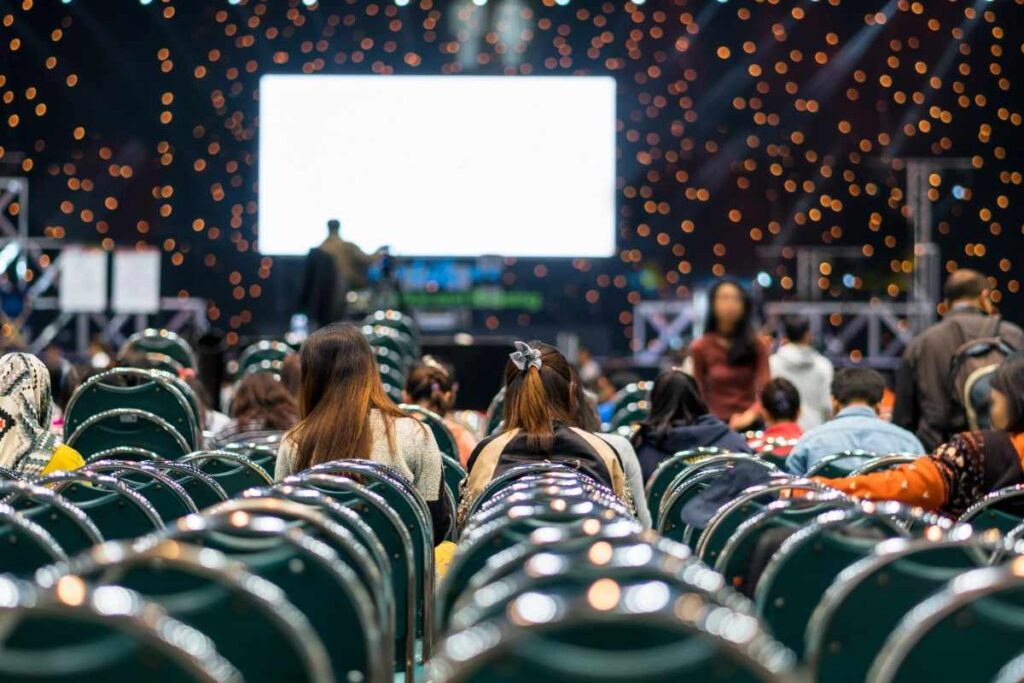
The trade shows continue to be a good source of value due to their ability to pull in highly interested customers who are in the process of searching for solutions. The face-to-face interaction of the parties involved in the trade shows makes it possible to have such opportunities that have been almost impossible to create through online means.


In-person events are the most effective among the channels reaching qualified buyers, as 70% of the people who attend trade shows have the authority to make purchases.


Exhibitors are, therefore, at this point, very much limited in the time they have to engage with and leave a lasting impression on the audience coming to their booths. The visitors would definitely have different opinions on these factors depending on whether they attended the show personally or were influenced by marketing at a distance.


The booth’s arrangement, the clarity of the banners, and the performance of the sound and pictures, the major elements that drove people to stop, talk, and recall the brand, were the traffic stream.


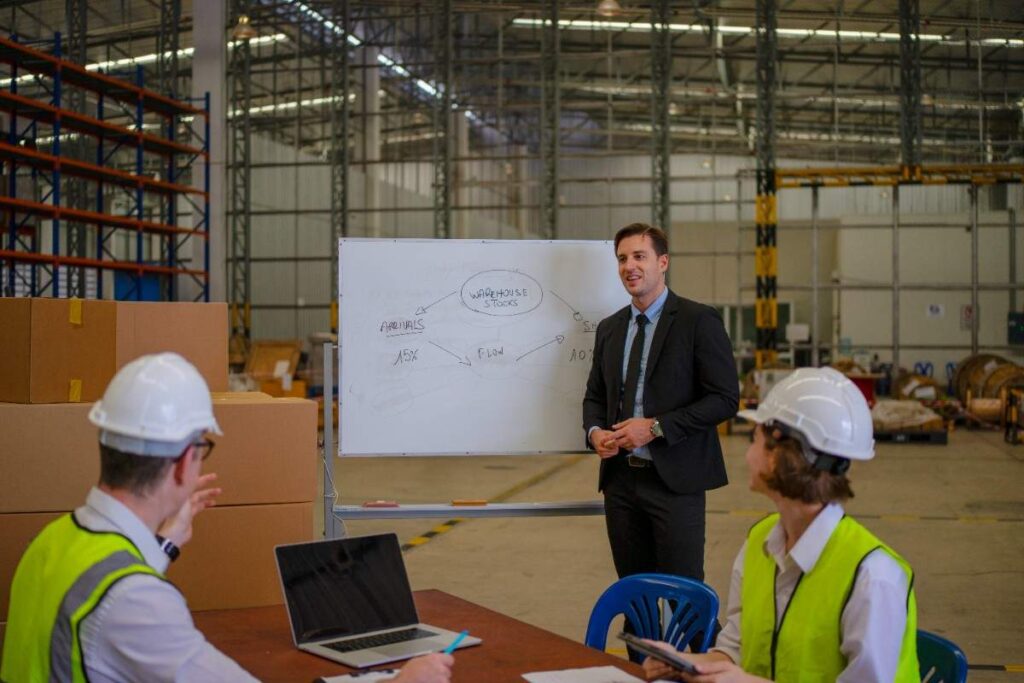
Execution of the rental properly is the key to it all. A competent workforce, dependable AV, tidy signage installations, and hassle-free logistics give life to the rental fabric as a sales environment.

What “Trade Show Rentals” Mean in 2026

7 Common Misconceptions About Trade Show Rentals

In today’s trade show environment, rentals go far beyond basic booth walls. Rentals typically include modular exhibit systems, professional installation and dismantling, AV solutions, signage integration, and onsite logistics support.


For exhibitors, rentals are about execution, not ownership. They provide the physical framework and operational support needed to bring an approved booth plan to life without the burden of storage, long-term maintenance, or complex shipping logistics.


It’s also important to distinguish rentals from fabrication and ownership. Many exhibitors assume rentals are a replacement for custom fabrication. In reality, rentals are designed to support flexible execution using modular components, graphics, and technology. They are not about manufacturing one-off structures, but about delivering reliable, repeatable environments.


When rentals are treated as part of a broader execution strategy, they become a practical solution rather than a compromise.

7 Common Misconceptions About Trade Show Rentals

Misconception #1: Rentals Are Always More Cost-Effective Than Ownership

Reality:

Rentals are not necessarily cheaper, and ownership is not necessarily better. The cost varies depending on the frequency of the exhibit use, the complexity of the setup, and the management of the execution.

Most exhibitors overlook the costs related to labor, drayage, AV integration, signage installs, and supervision. Poor execution may result in extra charges for overtime, rework, lost assets, and unutilized show hours.

Rentals contribute to risk reduction by enabling predictable setups within the event timelines. Their true worth lies in flexibility and operational efficiency, not merely in price.

Misconception #2: Rentals Can’t Reflect Your Brand

Reality:

The brand’s presence is made by the communication, the arrangement, and the experience, and not by the fact that the stand is owned or leased.

Such modular rental systems, together with graphics, lighting, and AV, can almost support any brand identity. The way people communicate with each other, the layout for people to go around, and the areas for demonstrations to be held are more important than permanent structures.

A stand that has a clear visual and easy-to-follow layout will always be better than one that has a stunning design but is confusing or crowded.

Misconception #3: Rental Booths Look Generic or Low-Quality

Reality:

This outdated experience keeps the belief alive. However, the new modular systems are being produced in such a way that their quality and professional appearance are always guaranteed.

Often, the reasons that make a booth look incomplete are: a hasty installation, misalignment, poor quality, or the presence of unskilled labor. But if an experienced crew installs the rentals and they are supervised correctly, they will be able to provide clean and polished environments.

Quality is a question of execution discipline, not of ownership.

Misconception #4: Rental Booths Limit Customization

Reality:

Modular rentals are designed to be flexible. Systems like beMatrix and Aluvision can be configured into different sizes, shapes, and layouts depending on the venue and objectives.

Customization comes through graphics, lighting, AV, interactive elements, and spatial planning. These components allow exhibitors to tailor each booth without rebuilding structures from scratch.

Rather than locking exhibitors into one configuration, rentals support adaptability across multiple shows and formats.

Misconception #5: Rental Planning Has to Be Done Months in Advance

Reality:

Early planning is beneficial, but the major factor to be taken into account with the successful rental execution is the coordination and not the lead time.

Professional teams are familiar with the rules of the venue, the labor schedules, and the deadlines for the shows. Good project management can make technical rentals happen smoothly, even if the time allowed is short.

High-class execution, local workforce, and very open communication are some of the most effective ways to supervise a project without adding any undue stress in the process.

Misconception #6: Rentals Are Only for Small Exhibitors or Short Engagements

Reality:

Rentals scale well. They are used for small inline booths, large modular environments, experiential activations, and pop-ups.

International exhibitors often rely on rentals to avoid shipping challenges and ensure compliance with local venue rules. Rentals also support multi-show programs where consistency matters across locations.

With standardized processes and trained crews, rentals deliver reliable results regardless of booth size or geography.

Misconception #7: Rentals Don’t Impact ROI

Reality:

ROI is driven by engagement, not ownership. With most attendees having buying authority, success depends on how well the booth supports conversations, demos, and follow-up.

Execution quality, layout, signage clarity, AV reliability, and labor support directly influence how attendees interact with the booth.

Rentals that are well executed support stronger engagement, better lead capture, and more productive conversations.

Best Practices to Maximize Rental Impact

Smart Planning Tips for Exhibitors

  • Define clear goals before planning the booth
  • Design layouts that support traffic flow and conversation
  • Use signage to communicate value quickly
  • Integrate AV to support demos and storytelling
  • Ensure trained labor handles installation and teardown
  • Work with experienced partners for on-site coordination

Strong execution allows exhibitors to focus on their message instead of operational issues.

Conclusion

Trade show rentals are not shortcuts. They are practical tools that support flexibility, consistency, and execution when used correctly. By understanding what rentals truly offer and avoiding common misconceptions, exhibitors can plan more effectively and perform with confidence.

Successful trade show outcomes depend on preparation, skilled labor, and coordination. When execution is handled properly, rentals help create environments that attract attention, support engagement, and deliver measurable ROI.


Ready to improve your next trade show experience? Connect with Willwork to support exhibit setup, AV solutions, signage installs, and professional onsite labor, so your team can focus on making meaningful connections.

FAQs

A rental includes modular exhibit systems, professional labor, AV setup, signage installation, and logistics support.

Yes. Customization comes through modular layouts, graphics, lighting, and AV integration.

No. Willwork executes client-provided designs through professional installation and onsite support.

Planning should align with show deadlines, but experienced teams can execute efficiently even under tight timelines.

Nationwide trained crews, AV expertise, signage coordination, and execution-focused delivery across events and activations.

REQUEST FOR PROPOSAL

Ready to bring your vision to life? Let Willwork handle every detail with precision and care. Fill out the form below to submit your RFP, and our dedicated team will connect with you promptly to discuss how we can make your project a success. Let’s create something extraordinary together!