
Blog Article
Summary: Audio-visual equipment sits at the center of every successful corporate event. From conferences and trade shows to product launches and brand activations, AV systems shape how messages are delivered, how brands are perceived, and how smoothly an event runs. Understanding the true “AV equipment meaning” and how it applies to corporate event installation and company event setup helps teams plan with confidence and avoid costly mistakes. |
Experience, engagement, and execution are what corporate events are judged on. The current industry research shows that 73% of event professionals use attendee experience as their method to evaluate event success, while audiovisual performance serves as a critical factor that shapes their success evaluation.
Corporate events depend on AV audio-visuals to do more than “work.” AV must communicate clearly, hold attention, and operate without disruption under tight schedules. LED walls, sound systems, lighting, and interactive displays all play a role, but only when they are planned and integrated correctly.
Many event issues trace back to a misunderstanding of AV equipment meaning. Teams think in terms of gear when they should be thinking in terms of systems, labor, and execution. This guide explains what AV equipment really involves and how professional corporate event installation turns technology into a reliable, show-ready environment.
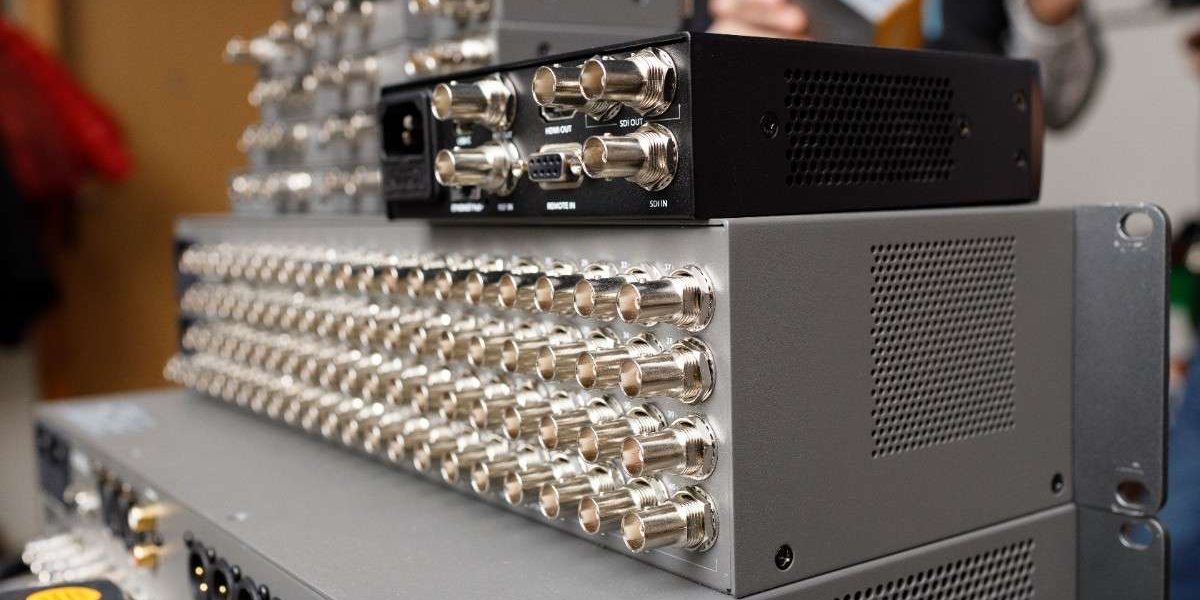
Audio-visual equipment refers to the combined systems that deliver sound, visuals, lighting, and control within an event space. In corporate environments, AV is not a single element. It is an integrated network.
Core AV components include:
When these elements are integrated properly, the audience never notices the technology. When they are not, the problems become visible immediately.
In a corporate event setup, AV supports more than presentations.
It:
The AV Integration guide of Willwork shows that project success depends on site planning, installation, testing, and support activities more than it depends on equipment performance.
Corporate events need audiovisual elements, lighting components, and interactive systems to function as a unified system throughout actual performance conditions.
Audio systems must perform in challenging environments. Large rooms, ambient noise, and multiple presenters all affect clarity.
Common audio components include:
Placement and tuning matter. Poor audio design leads to feedback, dead zones, and distracted audiences.
Visual systems often anchor the event experience.
Typical video solutions include:
The team must evaluate power requirements, rigging systems, and viewing options for each selection during the planning phase.
Lighting defines mood, focus, and flow.
Corporate event lighting may include:
When lighting is synchronized with video and sound, the space feels intentional rather than improvised.
Interactive AV increases engagement when executed correctly.
These systems include:
Interactive setups require precise calibration and on-site support to remain reliable throughout the event.
Strong AV performance starts long before equipment arrives at the venue.
Strong AV execution starts well before load-in.
Key planning factors include:
Skipping these steps often leads to last-minute changes, overtime labor, or compromised performance.
A professional corporate event installation follows a disciplined sequence:
This approach mirrors Willwork’s execution model across corporate events and brand activations nationwide.
AV setup problems start during planning and coordination work instead of equipment malfunctioning. When timelines are compressed or details are assumed, small oversights turn into visible issues once the event goes live. Teams prevent AV setup failures when they understand common failure points that occur before load-in starts.
The most common error people make is to fail to recognize the actual power requirements and network capabilities of their systems. The system requires infrastructure that can handle its audio, video, and lighting requirements as well as its control systems. The actual show conditions expose system instability, which occurs when power and bandwidth limits are exceeded.
Bad speaker placement results in sound that does not reach all areas of the space. Some areas produce excessive sound while other sections create challenges for sound detection. This problem happens when designers start building their projects without understanding the room’s acoustic properties and how people will sit in the space.
Screens positioned outside clear sightlines reduce engagement. Attendees should not need to shift seats or strain to see content. Screen size, height, and angle must match room dimensions and viewing distance.
The use of non-integrating components causes signal and control problems. Lack of backup equipment can be a source of risk particularly in cases where failure may happen during live sessions and time cannot be taken to correct the failure.
Rehearsals confirm that systems perform together, not just individually. Skipping full tests leads to missed cues, stalled transitions, and avoidable disruptions during the event.
The majority of AV failures are not technical. They are caused by gaps in planning and coordination failures which can be avoided through a rigorous preparation and implementation.
Willwork approaches AV as an execution discipline, not a rental service.
Support includes:
By aligning AV installation with the full event build, Willwork reduces risk and ensures systems perform under real show conditions.
The best AV setups are designed around people, not just technology.
Effective AV supports the attendee journey.
That means:
Technology should enhance the experience, not compete with it.
Live events require live oversight.
On-site technicians:
This level of support keeps events running smoothly from doors open to doors closed.
Great AV does not call attention to itself. It simply works. The system functions continuously without interruption. The initial sound output maintains perfect clarity. The visuals achieve their intended target with complete accuracy. The transitions between scenes occur in a smooth manner, which does not create an impression of haste. When that happens, your audience stays focused on the message, not the mechanics behind it.
At Willwork, audiovisual is not treated as a standalone service. It is planned, designed, and executed as part of the full event environment. That approach is what allows general sessions to run smoothly, exhibits to stand out on crowded show floors, and brand activations to feel cohesive rather than improvised. When AV is aligned with your goals and supported by experienced teams, it becomes a reliable extension of your brand, not a risk factor.
If you are planning an event, general session, or exhibit and need dependable AV execution, Willwork can help. Submit your project details, and a team member will be in touch.
Share your project details and let Willwork support your next general session, exhibit, or activation with audiovisual solutions built for real-world execution.
AV equipment includes audio, video, and lighting equipment with control systems, which enable live events to deliver communication and audience engagement.
The integration process guarantees that all systems function correctly while maintaining system reliability, which helps to decrease technical problems and enhances the experience for viewers.
The AV planning process should be initiated months beforehand to secure labor, permissions, and equipment without any last-minute changes.
Skilled labor ensures systems are installed correctly, tested properly, and supported throughout the event.
Willwork provides trained crews, on-site supervision, and integrated execution across AV, I&D, and event environments.
Chelsea is the Marketing Director at Willwork, where she transforms strategy into stories that connect. With a sharp eye for detail and a passion for big-picture thinking, she leads brand growth through creative campaigns, powerful messaging, and industry presence. From concept to execution, Chelsea is focused on elevating Willwork’s voice and helping clients see what’s possible.